One Piece copyright protection is a valuable case study for authors, manga artists, animation studios, publishers, toy manufacturers, licensing partners, digital platforms, and creative businesses that want to understand how a successful fictional universe can become a powerful intellectual property asset.
One Piece, created by Eiichiro Oda, is not just a manga or anime title. It is a large creative ecosystem built around storylines, characters, illustrations, animation, films, games, merchandise, events, digital content, and global licensing. Official copyright notices used by Shueisha, Toei Animation, VIZ and related distributors show how different parts of the One Piece ecosystem may involve manga publishing rights, anime rights, film rights, and licensed merchandise rights.
This article by Tran & Tran explains One Piece copyright protection from a legal and business perspective: what elements can be protected, how copyright differs from trademark and licensing, why character rights matter, what businesses should avoid when using anime or manga characters, and what creators can learn when building long-term creative IP in Vietnam, Asia, and international markets.
What is One Piece copyright protection?
One Piece copyright protection refers to the legal protection of original creative expressions contained in the One Piece manga, anime, films, illustrations, scripts, character designs, visual materials, and related creative assets.
Copyright generally protects the way ideas are expressed, not the abstract idea itself. WIPO explains that copyright protection extends to expressions and not to ideas, procedures, methods of operation, or mathematical concepts as such. This distinction is important when analyzing manga and anime because a general pirate adventure concept is different from the specific characters, artwork, dialogue, story arcs, world-building, animation scenes, and visual expression of One Piece.
For creators, One Piece shows how a story can develop into a major intellectual property portfolio. A manga title may begin with drawings and narrative content, but over time it can expand into character IP, animation rights, merchandise licensing, games, films, events, online distribution, and international brand protection.
Creators developing their own stories, characters, or creative universes may also review intellectual property types and ways to protect creative rights to understand how copyright, trademark, licensing, and enforcement can work together.
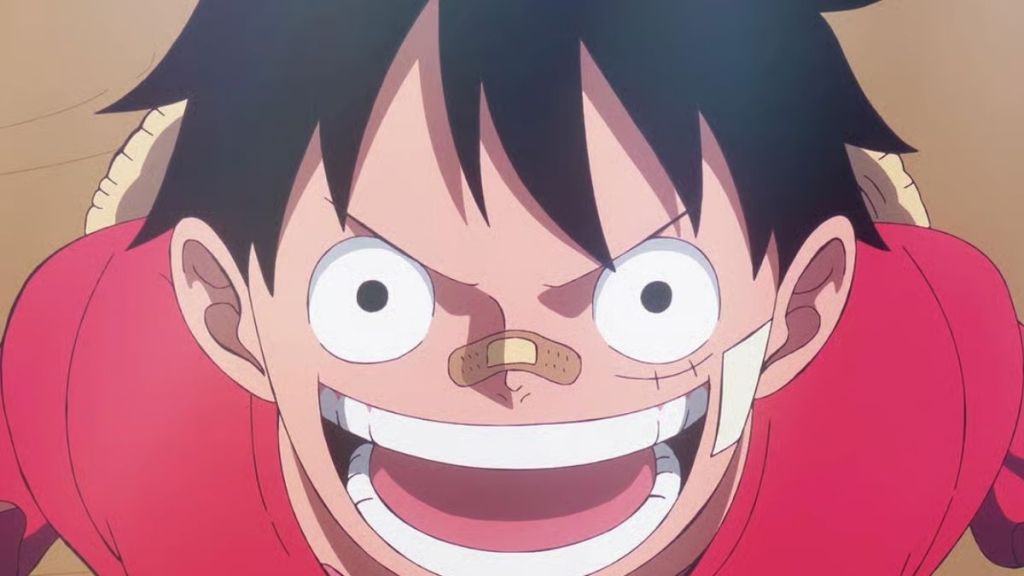
Why One Piece is an important IP case study
One Piece is important because it demonstrates how manga copyright can become a global IP asset.
The One Piece ecosystem includes manga publications, anime episodes, films, character illustrations, branded goods, figures, collectibles, apparel, games, platform distribution, and promotional events. Toei Animation’s official catalog identifies ONE PIECE with a copyright notice referring to Eiichiro Oda/Shueisha and Toei Animation, while Shueisha’s Manga Plus copyright page identifies ONE PIECE © 1997 by Eiichiro Oda/SHUEISHA Inc.
This shows a key lesson for creators and businesses: valuable creative IP is rarely managed through copyright alone. It usually requires coordinated ownership records, publishing contracts, animation production rights, licensing agreements, trademark protection, quality control, anti-counterfeiting measures, and international enforcement.
For companies creating or licensing fictional characters, brand protection services may become important when copyright, trademark, merchandise, online infringement, and platform enforcement overlap.
Which parts of One Piece can be protected by copyright?
In a manga and anime franchise like One Piece, copyright protection may apply to many original creative elements.
These can include manga artwork, character drawings, dialogue, storylines, scripts, episode materials, animation scenes, film materials, music where separately owned or licensed, visual backgrounds, layout, illustrations, promotional art, and certain compilations or adapted expressions.
Copyright protection is especially relevant for character expression. A fictional character may involve a combination of name, visual appearance, personality, storyline, relationships, costume, symbols, and recurring traits. The broader legal analysis may differ by country, but in practice, character protection often relies on multiple tools: copyright for visual and narrative expression, trademark for brand identifiers, contracts for licensing, and enforcement measures against unauthorized commercial use.
WIPO’s materials on copyright emphasize that protection applies to expression rather than underlying ideas. Therefore, protection does not mean that no one else can write a pirate adventure, create a fantasy world, or draw a character with a general theme. The legal issue is whether a protected expression has been copied or unlawfully used.
Creators developing original characters can use One Piece copyright protection as a reminder to document drawings, drafts, scripts, character sheets, publication dates, authorship records, and licensing arrangements from the beginning.
One Piece manga rights and anime rights
One key lesson from One Piece copyright protection is that manga rights and anime rights may involve different layers of ownership and authorization.
The manga originated as a work created by Eiichiro Oda and published by Shueisha. Official Shueisha-related copyright notices for Manga Plus identify ONE PIECE © 1997 by Eiichiro Oda/SHUEISHA Inc.
The anime adaptation involves Toei Animation. Toei Animation’s copyright page and catalog include notices such as ©Eiichiro Oda/Shueisha, Toei Animation, showing the role of Toei Animation in the anime-related rights ecosystem.
For creators and studios, this distinction is important. A manga author, publisher, animation studio, film producer, streaming platform, game developer, or merchandise partner may each be connected to different rights. The rights for print publication, digital distribution, animation adaptation, film production, game development, merchandise, events, and international licensing should be clearly documented.
A business should not assume that permission to use one format automatically includes all formats. A license to use a manga illustration may not include the right to use anime footage. A license for merchandise may not include advertising rights. A license for one territory may not permit global distribution.
Character copyright protection in One Piece
Characters are central to One Piece copyright protection.
A successful character is not merely a name. It may include visual appearance, personality, story role, relationships, clothing, gestures, symbols, distinctive dialogue, and repeated creative expression across many works. In a franchise like One Piece, characters can support publishing, animation, merchandise, games, figures, apparel, events, digital content, and brand partnerships.
For businesses, the key risk is unauthorized commercial use. Using a recognizable character on products, packaging, advertisements, social media campaigns, posters, collectibles, toys, clothing, restaurant decorations, event materials, or digital merchandise may require permission from the relevant rights holder.
Character use can implicate several rights at once. Copyright may protect the artwork or character expression. Trademark may protect names, logos, signs, or brand identifiers. Licensing agreements may control how characters can be used, where they can be used, for how long, and under what quality standards.
Businesses working with character-based assets may also consider international brand protection when characters are used across countries, platforms, marketplaces, and promotional channels.
Copyright, trademark, and licensing in One Piece
One Piece copyright protection should not be confused with trademark protection or licensing rights.
Copyright may protect manga pages, drawings, scripts, animation scenes, films, promotional artworks, and other original expressions. Trademark may protect signs used to identify commercial origin, such as series names, logos, character names used commercially, and brand identifiers. Licensing is the contractual permission granted by the rights holder for another party to use specific IP rights under defined conditions.
For a major entertainment franchise, these layers work together. Copyright protects the creative content. Trademark supports brand identity and consumer recognition. Licensing allows authorized partners to create products, distribute content, produce merchandise, run promotions, or use characters within approved limits.
Businesses should carefully review license scope. A valid agreement should identify the licensed IP, territory, term, product category, media format, exclusivity, royalty, quality control, approval procedure, sublicensing rights, reporting obligations, enforcement responsibilities, and termination terms.
For businesses learning how licensing terms should be structured, what to consider when signing a licensing agreement provides a useful framework, even though character licensing may require additional copyright, trademark, and entertainment-specific provisions.
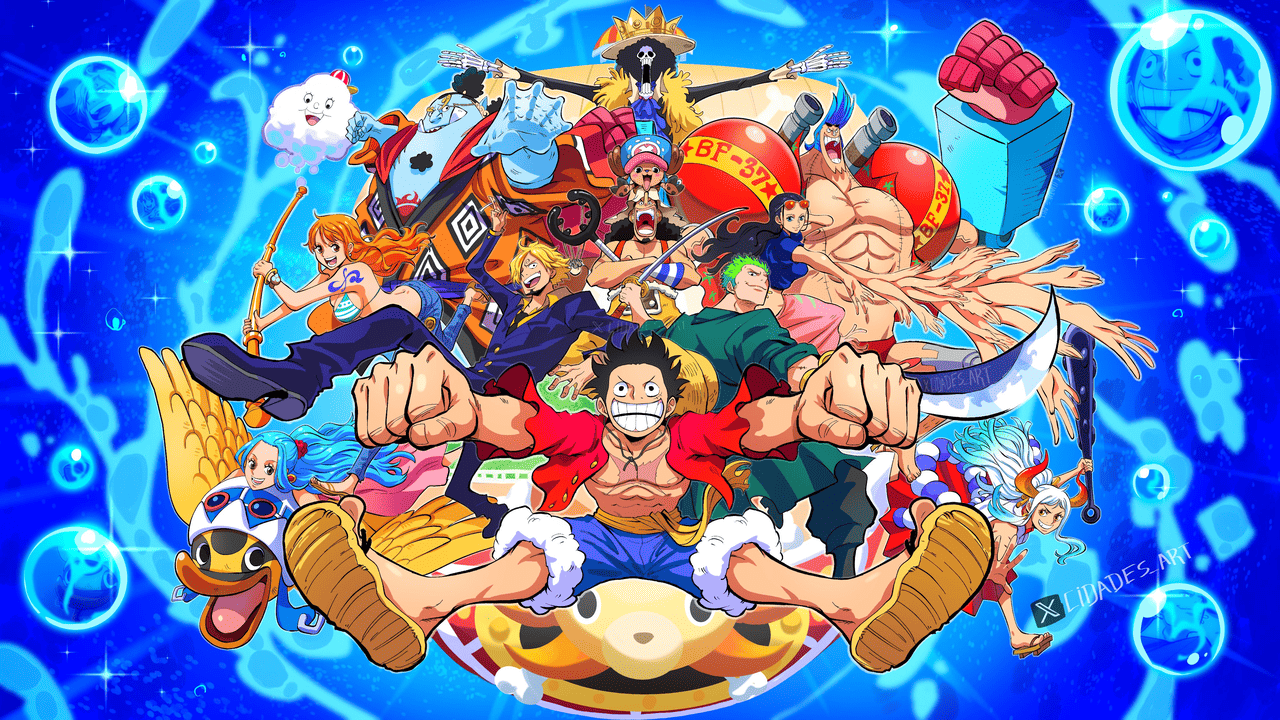
Merchandise and One Piece copyright protection
Merchandise is one of the clearest examples of why One Piece copyright protection matters.
Figures, toys, clothing, posters, collectibles, accessories, stationery, packaging, decorations, digital stickers, NFTs, game skins, and promotional goods can all involve copyrighted artwork, character images, trademarks, and licensed brand elements.
Official merchandise channels often display copyright and trademark notices to identify the rights connected with the product. For example, Bandai Spirits’ copyright and trademark page includes notices referring to Eiichiro Oda/Shueisha and Toei Animation for One Piece-related items.
For businesses, the key lesson is simple: commercial use of manga or anime characters generally requires authorization. Even if the product is handmade, sold in small quantities, promoted online, or distributed locally, unauthorized use can create infringement risk.
Common risky uses include printing characters on T-shirts, selling character keychains, using anime images in café decoration, creating unauthorised posters, selling copied figures, using character art in advertisements, or using anime scenes in promotional videos without permission.
Fan art, cosplay, and commercial use
Fan art and cosplay can raise sensitive issues in One Piece copyright protection.
Many fan activities are tolerated by rights holders in certain contexts, especially where they are non-commercial, respectful, and limited. However, tolerance is not the same as legal permission. Once fan-created works become commercial products, paid commissions, merchandise, advertising materials, event promotions, platform monetization, or brand campaigns, the legal risk increases.
A creator who draws fan art inspired by One Piece should distinguish between personal creative expression and commercial exploitation of protected characters. A business should be even more cautious because commercial use can affect market value, brand control, consumer perception, and licensing markets.
Cosplay events, conventions, fan pages, social media channels, cafés, game events, and online stores should review whether they are using protected characters, images, logos, anime stills, manga panels, or official artwork. When in doubt, written permission is safer than assuming that public popularity equals free use.
For online use, businesses may also need a plan for online brand protection if counterfeit goods, unauthorized pages, misleading ads, or copied creative assets appear across platforms.
One Piece copyright infringement risks
One Piece copyright infringement can arise when protected materials are copied, reproduced, distributed, displayed, adapted, or commercially used without authorization.
Common examples may include selling counterfeit merchandise, copying manga panels, uploading unauthorized anime episodes, using official character art in advertising, printing characters on products, selling unlicensed figures, creating fake branded goods, or distributing edited video clips for commercial promotion.
Digital infringement can also occur on e-commerce marketplaces, social media platforms, streaming websites, fan pages, print-on-demand stores, mobile apps, and online games. Because anime and manga communities are global, infringement can easily cross borders.
Businesses should avoid assuming that a work is free to use simply because it is widely available online. Copyright protection does not disappear because an image appears on social media, search results, fan websites, or unofficial forums.
Companies facing infringement issues involving creative works may also review what copyright infringement on the internet is and how infringement can be handled.
Public domain confusion and anime characters
A common misunderstanding is that an old or famous character can be freely used because it is widely known.
This is not a safe assumption. Copyright duration varies by country, work type, authorship, publication date, and applicable law. Trademark rights, unfair competition rules, licensing contracts, and character-specific rights may also remain relevant even when certain older materials become available for limited uses.
For One Piece, the franchise remains commercially active, and official copyright notices continue to identify rights connected with Eiichiro Oda, Shueisha, and Toei Animation across manga, anime, film, and licensing materials.
For businesses, the safer approach is to review the exact material they want to use, the country of use, the commercial purpose, and the rights involved. Public popularity does not equal public domain.
Lessons for creators from One Piece copyright protection
The first lesson from One Piece copyright protection is that creators should document their work early.
Drafts, sketches, character sheets, manuscripts, scripts, publication records, contracts, emails, source files, design files, and version histories can help prove authorship and ownership. This is important when a work becomes commercially valuable.
The second lesson is that character IP should be treated as a long-term asset. A character may begin as a drawing but later become the center of books, films, games, toys, clothing, advertising, and international licensing.
The third lesson is that ownership should be clearly documented. If a manga artist, writer, assistant, editor, publisher, animation studio, investor, producer, or contractor contributes to a project, the contracts should clarify who owns what.
The fourth lesson is that licensing should be carefully controlled. A successful creative work can lose value if licenses are vague, uncontrolled, inconsistent, or granted without quality standards.
The fifth lesson is that enforcement matters. Counterfeit goods, unauthorized online uploads, copied character art, and fake merchandise can weaken both revenue and brand trust.
Lessons for businesses using anime and manga content
Businesses should be cautious when using anime or manga content in commercial activity.
Restaurants, cafés, schools, event organizers, merchandise sellers, toy shops, game companies, marketing agencies, fashion brands, and online stores may want to use popular characters to attract customers. However, using characters like those from One Piece can require permission from the relevant rights holders.
Risk can arise from product design, packaging, store decoration, social media ads, influencer campaigns, event posters, promotional videos, game assets, app interfaces, and e-commerce listings.
Before using anime or manga materials, businesses should ask several questions. Who owns the relevant rights? Is the use commercial? Is the image official artwork, fan art, or an original drawing that still resembles a protected character? Does the planned use involve copyright, trademark, design, or unfair competition risks? Is there a written license? Does the license cover the country, product, platform, and time period?
A business that wants to use character IP lawfully should secure a clear license instead of relying on informal permission, screenshots, fan art, or copied images.
How creators can protect their own manga, comic, or character IP
Creators who want to build a strong IP portfolio can learn from the structure behind franchises like One Piece, without copying protected materials.
The first step is to create original characters, storylines, artwork, titles, logos, and visual worlds. The second step is to keep evidence of creation. The third step is to clarify ownership with every contributor. The fourth step is to register copyright where registration is useful as evidence. The fifth step is to consider trademark protection for names, logos, series titles, and commercially used character identifiers.
Creators should also prepare licensing templates before commercial expansion. If a character may be used for merchandise, publishing, games, animation, advertising, or international distribution, the licensing agreement should define rights, territory, term, products, quality control, approval process, royalty, reporting, enforcement, and termination.
For creators using pen names or shared creator names, the legal lessons behind Doraemon and Fujiko Fujio’s shared pen name can provide another useful case-study perspective on authorship, ownership, and long-term creative IP management.
How a copyright lawyer supports character IP protection
A copyright lawyer can support creators, publishers, studios, and businesses at different stages of character IP development.
Before publication, legal support may include authorship documentation, copyright registration strategy, contributor agreements, illustrator contracts, publishing agreements, confidentiality terms, and ownership review.
During commercialization, legal support may include character licensing agreements, merchandise agreements, animation adaptation agreements, game licensing, brand collaboration agreements, quality control provisions, and royalty structures.
When infringement occurs, legal support may include evidence review, takedown notices, cease and desist letters, marketplace complaints, platform enforcement, customs or administrative coordination where available, settlement negotiations, and cross-border counsel coordination.
For businesses managing international IP portfolios, international IP law firm support may be important when rights, infringement, licensing, and enforcement span multiple jurisdictions.
One Piece copyright protection services at Tran & Tran
Tran & Tran supports authors, artists, comic creators, manga artists, publishers, studios, agencies, merchandise businesses, digital platforms, and creative companies in matters involving copyright, trademark, licensing, character IP, online enforcement, and international brand protection.
For creators and businesses in Vietnam, Asia, and international markets, Tran & Tran can assist with copyright registration strategy, authorship documentation, ownership review, publishing agreements, character licensing agreements, merchandise licensing, trademark registration, brand protection, online takedowns, and infringement disputes.
Where a business is inspired by the IP structure of franchises such as One Piece, Tran & Tran can help create a lawful strategy for protecting original works rather than copying third-party characters. This may include copyright registration for works, trademark registration services, brand protection services, online brand protection, and international IP strategy.
Conclusion
One Piece copyright protection shows how a manga can become a global intellectual property ecosystem involving copyright, trademark, licensing, merchandise, animation, digital distribution, and cross-border enforcement.
For creators, the lesson is to build original work, document authorship, clarify ownership, register rights where useful, and manage licensing carefully. For businesses, the lesson is to avoid unauthorized use of protected manga, anime, character images, logos, and merchandise elements.
A strong character IP strategy does not begin after infringement occurs. It should begin when the story, character, artwork, title, contract, and commercial plan are first created.
FAQ about One Piece copyright protection
What is One Piece copyright protection?
One Piece copyright protection refers to legal protection for original creative expressions in the One Piece manga, anime, films, illustrations, characters, scripts, visual materials, and related creative assets.
Who is connected with One Piece copyright notices?
Official copyright notices commonly refer to Eiichiro Oda, Shueisha, and Toei Animation, depending on whether the material relates to manga, anime, film, or licensed content.
Can businesses use One Piece characters for merchandise?
Businesses should not use One Piece characters for merchandise without proper authorization. Commercial use of protected characters, artwork, logos, or anime materials can create copyright, trademark, licensing, and unfair competition risks.
Does copyright protect the idea of a pirate adventure?
No. Copyright generally protects the expression of an idea, not the abstract idea itself. A general pirate adventure concept is different from copying protected characters, artwork, dialogue, storylines, or visual expression.
Can fan art of One Piece be sold commercially?
Selling fan art commercially may create legal risk if it uses protected characters, artwork, names, or recognizable elements without permission. Tolerance of non-commercial fan activity does not automatically mean commercial use is authorized.
What can creators learn from One Piece copyright protection?
Creators can learn to document authorship, clarify ownership, protect character designs, register copyright where useful, control licensing, consider trademark protection, and prepare enforcement strategies early.
Does One Piece copyright protection involve trademark too?
Yes, a franchise like One Piece may involve copyright, trademark, licensing, merchandise rights, and brand protection. Copyright protects creative expression, while trademark may protect commercial identifiers such as names, logos, and brand signs.
Can Tran & Tran help with character IP protection?
Yes. Tran & Tran can support creators, studios, publishers, merchandise businesses, and digital platforms with copyright registration, character IP protection, licensing, trademark strategy, online enforcement, and infringement disputes in Vietnam, Asia, and international markets.
Tran & Tran Contact Information
For legal support related to One Piece copyright protection, character IP, manga copyright, comic copyright, copyright registration, licensing, trademark strategy, online enforcement, or international IP strategy, creators and businesses may contact Tran & Tran.
TRAN AND TRAN INTELLECTUAL PROPERTY COMPANY LIMITED
Address: Room 802, Talico Building, No. 22 Ho Giam Street, Van Mieu – Quoc Tu Giam Ward, Hanoi, Vietnam
Phone: +84 917 913 266
Email: [email protected]
Website: https://trantranlaw.com/
Working hours: Monday to Friday, 08:30 AM – 05:30 PM