


Light novel copyright registration is an essential legal step for independent authors, illustrators, and publishing houses prior to presenting their works to the public. Distinct from purely text-based conventional novels, light novels feature a unique structure: condensed text volumes, fast-paced narrative progression characteristic of anime and manga, and an integrated suite of visual illustrations (chibi designs, character concept sheets, and full-color opening inserts).
This dual composition of literary content and visual artwork exposes light novels to substantial risks of copyright infringement: unauthorized text scans circulated across illicit reading hubs, visual illustrations extracted for unlicensed stickers or printed merchandise, and plot structures adapted into unauthorized webtoons or comics without consent. Establishing statutory ownership through professional copyright registration services serves as the most reliable legal foundation to safeguard an author’s economic and moral rights.
This guide from Tran & Tran Intellectual Property Co., Ltd. (Tran & Tran Law) provides an in-depth analysis of dual protection mechanisms, required application dossiers, and registration procedures under statutory provisions.
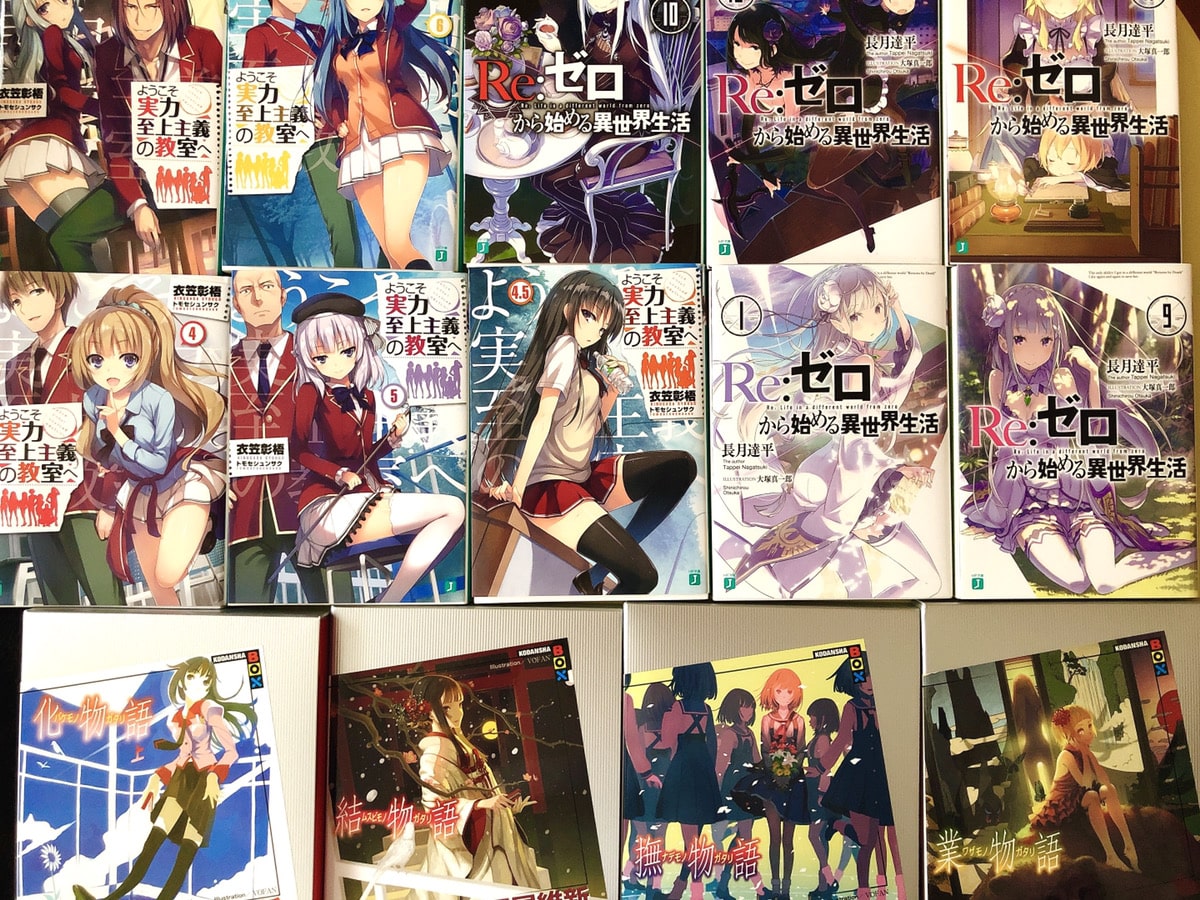
1. Dual Protection Mechanisms for Light Novel Works
A light novel is a composite creative output. From an intellectual property standpoint, a light novel is typically protected under two distinct or combined subject matter categories:
- Literary Works:
- Protects the entirety of the written text, including: plotlines, character dialogue, world-building lore, and character development arcs.
- Prevents unauthorized duplication, illicit excerpts, or translation into other languages without prior authorization.
- Applied Art / Fine Art Works:
- Protects black-and-white chapter illustrations, exterior book cover artwork, and colored frontispiece inserts.
- Prevents image cropping, graphic ripping, and the unauthorized commercial manufacture of acrylic standees, keychains, apparel, or peripheral merchandise.
Note on Joint Authorship:
In most light novel projects, the scenario writer and the visual illustrator are different individuals. When preparing filings, a clear agreement must be executed to define distinct rights or co-ownership terms, preventing internal ownership disputes when the work is commercially licensed.
To explore historical illustrated manuscript collections, the evolution of print graphic arts, and institutional methods of archiving rare artistic documents across eras, researchers may consult resources such as The British Library.
2. Statutory Rights Conferred by Copyright Registration Certificates
Upon obtaining an official Copyright Registration Certificate, the author and copyright owner hold comprehensive exclusive rights:
- Moral Rights:
- The right to title the light novel work.
- The right to attach real names or pseudonyms to the publication; to be attributed when the work is distributed, excerpted, or cited.
- The right to publish the work or authorize third-party publication.
- The right to protect the integrity of the work, prohibiting unauthorized edits, plot alterations, or illustration distortions that prejudice the author’s reputation.
- Economic Rights:
- The exclusive right to create derivative works: adapting the light novel into comics (manga/webtoons), animated films (anime), video games, or audio dramas.
- The exclusive right to reproduce the work: printing physical volumes, distributing digital files in ebook/epub formats.
- The exclusive right to distribute original copies or reproductions to the public.
- The right to commercialize character designs (Merchandising): licensing the manufacture of figures, scale models, and promotional goods.
Once a light novel establishes strong brand equity, securing the series title and brand logo should be pursued concurrently through dedicated trademark clearance and registration services to prevent preemptive trademark filings by third parties.
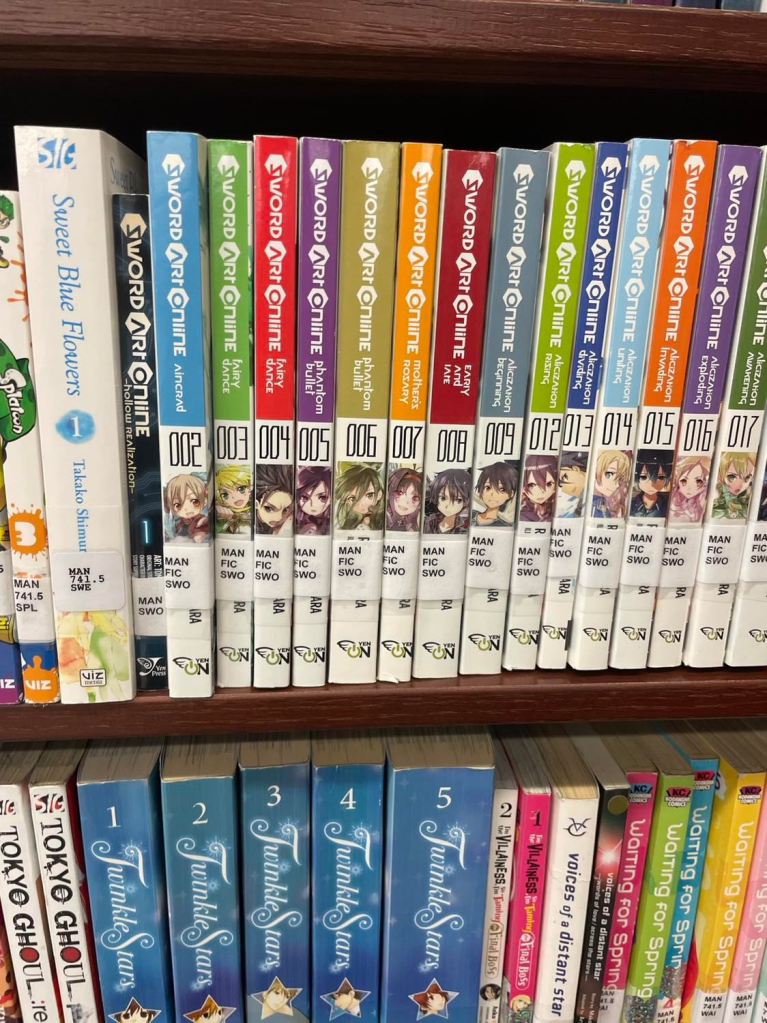
3. Required Application Dossier for Light Novel Copyright Registration
A complete application package submitted to the competent copyright registry comprises:
- Official Copyright Registration Application Form (standard official template).
- 02 Copies of the Light Novel Work:
- For literary work filings: 02 complete bound print volumes (sequentially numbered, bearing the author’s signature).
- For combined or concurrent art filings: Attached high-resolution color prints of cover art and interior character illustrations.
- Author’s Statement of Originality: An official declaration confirming original creation without unauthorized copying, assuming full statutory liability.
- Agreement Between Writer and Illustrator: (Where the work involves collaboration between a scenario writer and an artist).
- Copyright Transfer Agreement or Commissioning Contract: (Where the copyright is owned by a publishing company or enterprise employing the creative team).
- Identity Documents: Copies of National ID cards or Passports of the writer, illustrator, and copyright owner (for individuals) or Business Registration Certificates (for legal entities).
- Power of Attorney (when filed through authorized agents at Tran & Tran Law).
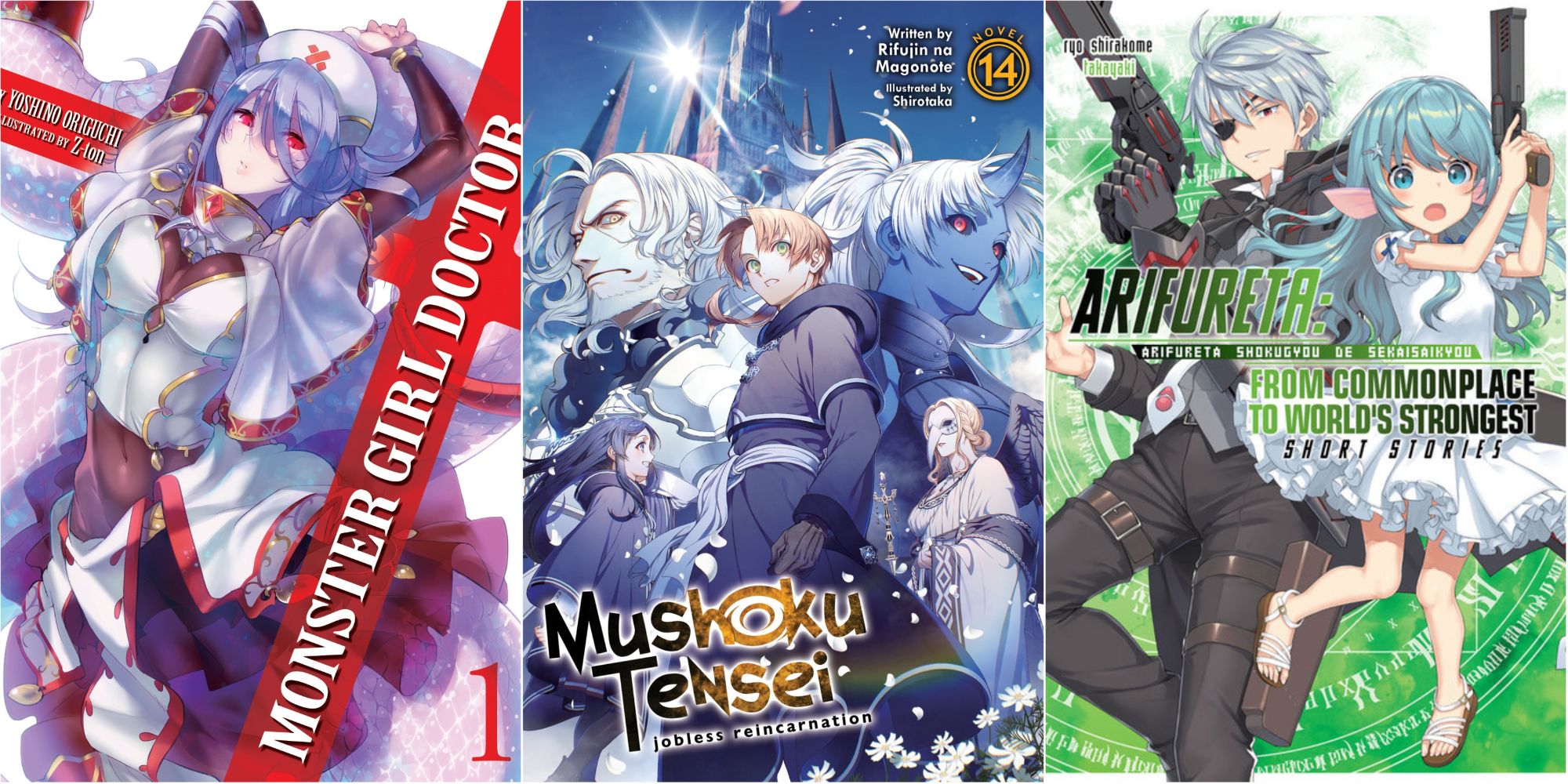
4. Statutory Examination Phases and Certificate Issuance
| Phase | Procedural Actions | Standard Timeframe |
| 1. Intake & Dossier Review | Checking manuscript completeness, reviewing illustrations, drafting statements of originality | 01 to 02 working days |
| 2. Formal Application Submission | Physical delivery or electronic submission via the official administrative portal | Same day |
| 3. Substantive Examination | Evaluation of dossier validity, tangible fixation, and statutory eligibility criteria | 15 working days from complete receipt |
| 4. Issuance of Certificate | Official decision granting the Copyright Registration Certificate and entry into the National Register | 01 to 03 working days |
Duration of Protection:- Moral rights attached to the creator are protected indefinitely.
- Economic rights and the right to publish literary works are protected for the author’s entire lifetime plus 50 years after their death. For anonymous works or works owned by legal entities, the term is 75 years from the date of first publication.
5. Enforcement Procedures Against Light Novel Copyright Infringement
Holding a Copyright Registration Certificate equips authors and publishers with full legal authority to execute enforcement actions:
- Digital Infringement Enforcement: Submitting formal takedown notices to unauthorized reading portals, unlicensed translation groups (scanlation groups), online forums, and cloud hosting platforms.
- Cease & Desist (C&D) Letters: Demanding that unauthorized printing houses, counterfeiters, or unauthorized merchandise manufacturers immediately halt violations and recall infringing goods.
- Administrative Enforcement Requests: Petitioning specialized inspectorates or market surveillance authorities to conduct investigations, impose administrative fines, and destroy illicit books or merchandise.
- Civil Court Litigation: Claiming compensatory damages for financial losses, lost licensing revenue, and reasonable legal representation fees.
These enforcement initiatives are managed through our anti-counterfeiting and copyright dispute practice. Further legal analyses on copyright protection are published within our curated legal news and intellectual property commentary.
6. About Tran & Tran Intellectual Property Co., Ltd. (Tran & Tran Law)
Founded in September 2013, Tran & Tran Intellectual Property Co., Ltd. (Tran & Tran Law / Tran & Tran IP) is an official intellectual property representation organization, advising and protecting creative assets for authors, visual artists, content creators, and publishing entities.
Leveraging extensive practical experience across digital content industries and artistic copyright, Tran & Tran assists clients with application optimization, ensuring clear title over both narrative text and character artwork while maintaining absolute manuscript confidentiality. Detailed information regarding our organization is available on our firm overview and leadership profile.
Core Intellectual Property Practice Areas:
- Publishing Copyright Protection: Drafting dossiers and managing copyright registrations for light novels, comic books, and web novels through our copyright advisory services.
- Series Brand & Trademark Registration: Securing exclusive trademark protection for titles, franchise logos, and author pen names via our dedicated trademark prosecution practice.
- Character Artwork & Packaging Design: Registering applied art works or packaging designs for collector’s box sets through our patent and industrial design practice.
- Adaptation Licensing & Dispute Resolution: Structuring licensing agreements for anime/manga adaptations and managing infringement disputes through our anti-counterfeiting and dispute practice.
If you are finalizing a light novel manuscript and require professional verification prior to release, contact our practice group via our direct legal consultation portal.
Frequently Asked Questions (FAQ)
- Should text and illustrations be registered together or as separate applications?
They can be filed together as an illustrated literary work, or divided into two independent applications (one literary work filing for the prose narrative, and one applied/fine art filing for the illustration portfolio). Separate filings provide greater commercial flexibility when licensing character designs for standalone merchandise or game adaptations.
- Does a light novel posted on online forums acquire copyright automatically?
Yes. Copyright arises automatically once a work is fixed in a tangible medium. However, without a formal registration certificate, establishing legal ownership against unauthorized scrapers or derivative distributors is difficult due to the lack of certified administrative proof.
- How is an author pseudonym handled in a light novel registration?
Authors have the right to display their pen names on the official Copyright Registration Certificate. Real identification details remain confidential within administrative records to maintain legal ownership title.
- Are AI-generated illustrations within a light novel eligible for copyright protection?
Under prevailing intellectual property legal frameworks, protected works must result directly from human intellectual creation. Artwork generated entirely by artificial intelligence via prompt execution does not meet human authorship requirements; only illustrations created or substantially modified through direct human artistic effort qualify for statutory protection.
Official Firm Contact Information
- Entity: Tran & Tran Intellectual Property Co., Ltd. (Tran & Tran Law / Tran & Tran IP)
- Headquarters: Room 802, Talico Building, 22 Ho Giam Street, Van Mieu – Quoc Tu Giam Ward, Dong Da District, Hanoi
- Hotline: +84 (024) 3732 7466
- Email: [email protected]
- Official Portals: trantranlaw.com | trantran.vn
- Office Hours: 8:00 AM – 18:00 PM, Monday through Friday
