Dragon Ball copyright protection covers the manga, anime, characters, artwork, video content, music, logos, and licensed merchandise connected to the Dragon Ball franchise. Unauthorized commercial use of Dragon Ball characters, images, clips, logos, or product designs may create copyright and trademark infringement risks.
Creators, sellers, agencies, game developers, content producers, and businesses should review licensing requirements before using Dragon Ball-related content in products, advertising, digital platforms, fan projects, merchandise, or monetized media. This article by Trần & Trần explains how Dragon Ball is protected, what uses may be risky, and what businesses should consider before using anime-related intellectual property.
Table of Contents
- What is Dragon Ball copyright protection?
- Who owns the rights to Dragon Ball?
- What parts of Dragon Ball are protected?
- Can fans create Dragon Ball fan art?
- Is selling Dragon Ball merchandise legal?
- Copyright vs. trademark in Dragon Ball protection
- Common Dragon Ball copyright infringement risks
- What should businesses do before using Dragon Ball content?
- Dragon Ball copyright protection in Vietnam and cross-border markets
- How Trần & Trần can assist
- FAQ about Dragon Ball copyright protection
What is Dragon Ball copyright protection?
Dragon Ball copyright protection refers to the legal protection given to original creative elements of the Dragon Ball franchise. These elements may include manga drawings, anime episodes, character designs, scripts, storylines, music, promotional materials, and other protectable creative expressions.
Copyright does not protect a general idea such as “a martial arts adventure story” or “a hero fighting powerful enemies.” However, it may protect the specific expression of that idea, such as the visual design of characters, manga panels, animation footage, original dialogue, background art, and other creative content.
For creators and businesses, the practical issue is clear: Dragon Ball is not only a famous anime and manga title. It is a valuable intellectual property franchise with multiple layers of protection. Using recognizable Dragon Ball elements without permission can create legal risks, especially when the use is commercial.
For general copyright-related support in Vietnam, readers may refer to Trần & Trần’s copyright services in Vietnam.
Who owns the rights to Dragon Ball?
Official copyright notices for Dragon Ball commonly refer to Bird Studio/Shueisha and Toei Animation, depending on the type of content involved. Toei Animation’s official copyright page lists Dragon Ball-related titles with copyright notices referring to Bird Studio/Shueisha, Toei Animation.
For manga-related content, MANGA Plus by SHUEISHA lists DRAGON BALL © 1984 by BIRD STUDIO/SHUEISHA Inc. The Dragon Ball Official Site also describes itself as a portal site for the entire Dragon Ball series and displays copyright notices referring to BIRD STUDIO/SHUEISHA, BIRD STUDIO, Toyotarou/SHUEISHA, and BIRD STUDIO/SHUEISHA, TOEI ANIMATION.
This means that anyone using Dragon Ball content should not assume that online availability equals permission to use. Images, clips, character names, logos, and merchandise designs may still be protected even if they are widely shared by fans.
The correct rights holder or licensing contact may depend on the type of use, the territory, and the specific content. Manga content, anime footage, games, films, toys, apparel, promotional collaborations, and digital products may involve different licensing structures.
For official information, readers may refer to Toei Animation copyright information.
What parts of Dragon Ball are protected?
Dragon Ball may be protected through several forms of intellectual property. Copyright is only one part of the overall protection strategy.
Manga artwork
Original manga drawings, panels, page layouts, and illustrated scenes may be protected as creative works. Copying, reproducing, scanning, printing, or redistributing manga images without permission may create copyright risks.
Anime episodes and films
Anime footage, screenshots, scripts, voice recordings, music, background art, and animation sequences may be protected. Re-uploading episodes, clips, edits, compilations, or reaction videos can be risky, especially on monetized platforms.
Character designs
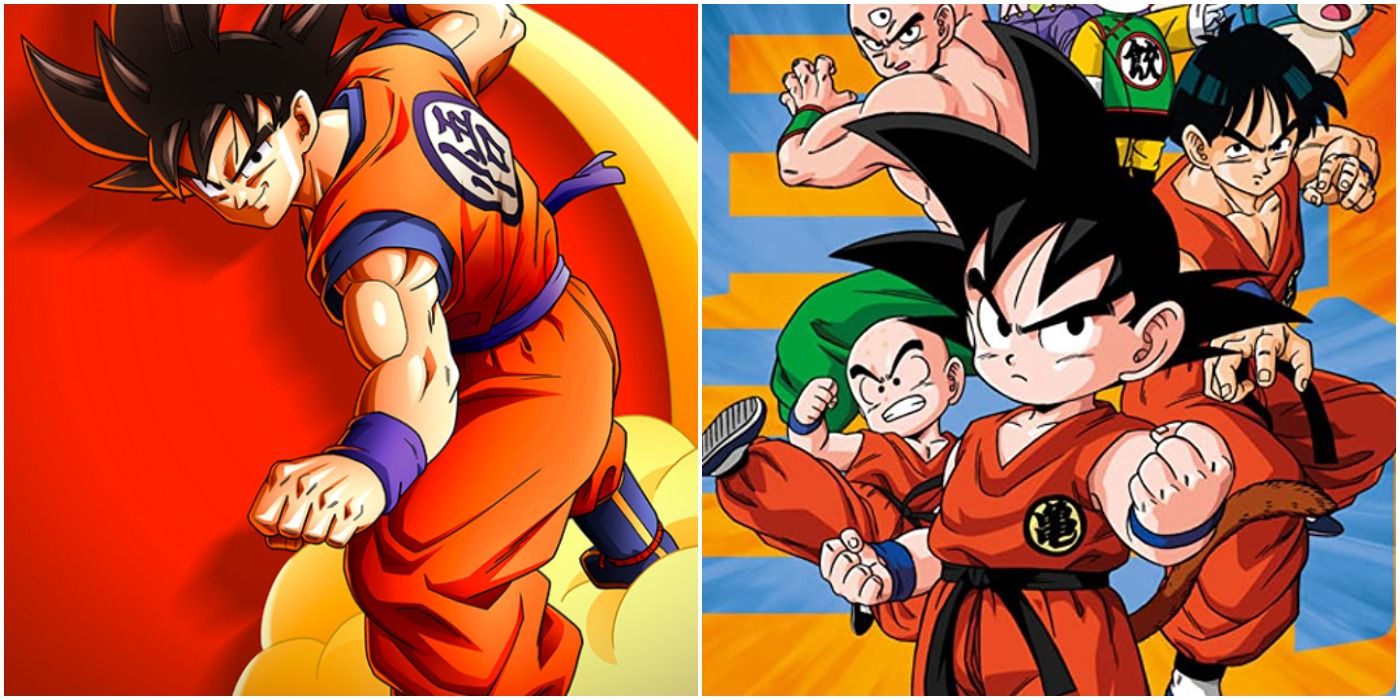
Famous characters such as Goku, Vegeta, Bulma, Piccolo, Frieza, and others may involve protectable visual expression. A character’s appearance, costume, hairstyle, pose, color scheme, and other recognizable features may create infringement concerns if copied for commercial use.
Names, logos, and brand signs
Names and logos may also raise trademark issues. Using “Dragon Ball” or a confusingly similar sign on goods, packaging, advertisements, domain names, social media pages, or business materials may create trademark risks in addition to copyright issues.
Merchandise designs
Figures, apparel, stickers, posters, accessories, bags, phone cases, toys, collectibles, and digital products using Dragon Ball elements may require permission. Unauthorized merchandise is one of the most common areas of intellectual property infringement.
For businesses that need to understand how copyright and brand rights differ, Trần & Trần has a related article on copyright and trademark differences.
Can fans create Dragon Ball fan art?
Fan art is common in anime culture, but common practice does not always mean legal safety. A fan drawing inspired by Dragon Ball may still involve copyright or trademark risks if it copies protected characters, artwork, logos, costumes, scenes, names, or other recognizable elements.
The legal risk is usually higher when fan art is used commercially. For example, selling prints, T-shirts, stickers, digital files, commissions, NFTs, posters, 3D models, game skins, or advertising materials based on Dragon Ball characters may require permission.
Some right holders may tolerate certain non-commercial fan activities, but tolerance is not the same as a legal license. A platform may also remove fan content if it receives a copyright complaint.
Creators should be especially careful when fan content is monetized through ads, sponsorships, subscriptions, paid downloads, crowdfunding, merchandise sales, or affiliate campaigns.
Is selling Dragon Ball merchandise legal?
Selling Dragon Ball merchandise without authorization is legally risky. Products using Dragon Ball characters, logos, names, artwork, or recognizable designs may require a license from the relevant rights holder.
This applies to both physical and digital products, including:
- T-shirts and hoodies;
- stickers and keychains;
- posters and prints;
- phone cases;
- toys and figures;
- 3D printed models;
- digital wallpapers;
- game assets;
- online course materials;
- packaging or promotional products.
Even if the seller redraws a character in a different style, the product may still be risky if consumers can clearly recognize the Dragon Ball character or if the product creates an impression of official authorization.
Businesses planning to sell anime-inspired goods should conduct a copyright and trademark review before launching the product. Where brand signs are involved, Trần & Trần’s trademark services in Vietnam may be relevant.
Copyright vs. trademark in Dragon Ball protection
Dragon Ball is protected not only by copyright. Trademark law may also be relevant when names, logos, symbols, or other commercial signs are used to distinguish goods or services.
| Issue | Copyright | Trademark |
| Main purpose | Protects original creative expression | Protects brand identifiers |
| Examples | Manga art, anime clips, drawings, character designs | Names, logos, series titles, commercial signs |
| Common risk | Copying, reproducing, adapting, distributing protected works | Creating consumer confusion or suggesting authorization |
| Business example | Printing character artwork on T-shirts | Using “Dragon Ball” as a product name or shop brand |
A single act may create both copyright and trademark issues. For example, selling a T-shirt with a Dragon Ball character and the Dragon Ball logo may involve copying protected artwork and using a protected brand sign.
This is why businesses should not only ask, “Can I use the image?” They should also ask whether the name, logo, design, packaging, advertising, and product listing may suggest an unauthorized connection with the official franchise.
Common Dragon Ball copyright infringement risks
Because Dragon Ball is globally recognized, unauthorized use can be easy to detect and difficult to justify. The following uses commonly create legal risk.
Selling unlicensed merchandise
Using Dragon Ball characters or logos on clothing, accessories, toys, stickers, posters, collectibles, or digital products may require a license. Small-scale sales through social media or e-commerce platforms can still create infringement risks.
Uploading anime clips
Re-uploading episodes, movie scenes, compilations, reaction clips, or edited videos may create copyright risks, especially if the content includes substantial anime footage or music. Monetized videos are usually more exposed to takedown requests or claims.
Using characters in business advertising
Using Goku, Vegeta, Shenron, Dragon Balls, or similar recognizable elements in advertisements, banners, packaging, websites, or social media campaigns may expose a business to infringement claims.
Creating games or apps
A game, app, mod, mini-game, or digital experience using Dragon Ball characters, names, powers, music, or story elements may require authorization.
Selling digital files
Selling downloadable designs, 3D models, wallpapers, icons, templates, or printable files based on Dragon Ball can still create infringement risks even if no physical product is sold.
Registering similar marks
Attempting to register a business name, logo, or product mark that copies or closely resembles Dragon Ball-related signs can create trademark and bad-faith filing issues.
For online infringement issues, readers can review Trần & Trần’s article on copyright infringement on the internet.
What should businesses do before using Dragon Ball content?
Before using Dragon Ball-related content, a business should review both copyright and trademark issues. This is especially important for companies in e-commerce, gaming, entertainment, apparel, advertising, education, digital products, and social media marketing.
A practical review should answer the following questions:
- What content will be used: character, logo, screenshot, manga panel, video clip, music, or name?
- Is the use personal, editorial, educational, commercial, or promotional?
- Will the content appear on products, packaging, advertising, websites, or social media?
- Will the project generate revenue directly or indirectly?
- Which market is involved: Vietnam, Japan, the United States, the EU, or multiple countries?
- Is a license required?
- Could consumers believe the product or campaign is official or authorized?
- Is there any safer alternative, such as original character creation?
If the intended use is commercial, the safest approach is to obtain proper authorization or avoid using protected Dragon Ball elements. Businesses should also keep records of design development, licensing discussions, and legal review.
For broader IP review, readers may visit Trần & Trần’s IP practice areas.
Dragon Ball copyright protection in Vietnam and cross-border markets
Dragon Ball is a Japanese-origin franchise with global commercial value. However, unauthorized use may occur in many markets, including Vietnam and other countries in Southeast Asia.
In Vietnam, businesses using anime-related images, names, characters, or logos for products or advertising should be cautious. Even if a product is manufactured locally or sold through a small online shop, copyright and trademark issues may still arise if protected works or brand signs are used without permission.
Cross-border risks may also appear when products are sold through international platforms. A seller in Vietnam may receive takedown notices, platform penalties, customs-related issues, or legal demands if goods are offered to buyers in other countries.
For businesses operating beyond Vietnam, IP issues should be reviewed country by country. Trần & Trần also provides resources on copyright in Laos and Copyright Related Matters in Myanmar.
How Trần & Trần can assist
Using popular anime or manga content in business can create significant legal exposure. A design that seems “fan-made” or “inspired by Dragon Ball” may still be risky if it copies protected creative expression or creates confusion with the official franchise.
Trần & Trần can assist creators, e-commerce sellers, agencies, publishers, studios, and businesses with copyright review, trademark clearance, IP risk assessment, licensing strategy, copyright registration, contract review, and infringement handling.
For case-specific advice, contact Trần & Trần at 0917 913 266 or [email protected]. Our office is located at P802, Talico Building, No. 22 Ho Giam Street, Quoc Tu Giam Ward, Dong Da District, Hanoi.
FAQ about Dragon Ball copyright protection
Is Dragon Ball protected by copyright?
Yes. Dragon Ball is protected by copyright and other intellectual property rights. Protected elements may include manga artwork, anime footage, characters, scripts, music, promotional materials, and related creative content.
Who owns Dragon Ball copyright?
Official copyright notices commonly refer to Bird Studio/Shueisha and Toei Animation, depending on the specific Dragon Ball content involved. The correct rights holder or licensing party may depend on the type of content, territory, and intended use.
Can I sell Dragon Ball fan art?
Selling Dragon Ball fan art can create copyright and trademark infringement risks if it uses protected characters, artwork, names, logos, or other recognizable elements without permission.
Can I use Dragon Ball characters in my business logo?
Using Dragon Ball characters or similar elements in a business logo is risky. It may infringe copyright, trademark rights, or both, especially if consumers may think the business is connected to the official Dragon Ball franchise.
Is Dragon Ball fan content always illegal?
Not necessarily. However, fan content may still create legal risks, especially if it is monetized, distributed widely, used commercially, or uses official artwork, video clips, logos, or music.
Can I upload Dragon Ball clips on YouTube or TikTok?
Uploading Dragon Ball clips may trigger copyright complaints or platform takedowns, especially if the clips include anime footage, music, or substantial protected content. Monetized uploads carry higher risk.
Can I make a Dragon Ball-inspired character?
Creating an original character inspired by general anime style is usually safer than copying a recognizable Dragon Ball character. However, the design should avoid protected names, costumes, symbols, powers, visual features, and other elements that make the character confusingly similar.
What should I do before selling anime-inspired products?
A business should conduct an IP review before selling anime-inspired products. The review should check whether the product uses protected artwork, characters, names, logos, or brand signs, and whether licensing is required.
Conclusion
Dragon Ball copyright protection covers much more than the title of a famous anime series. It may involve copyright in manga, anime, characters, artwork, video content, music, and merchandise designs, as well as trademark protection for names, logos, and commercial identifiers.
Creators and businesses should be careful before using Dragon Ball-related content in products, advertising, digital platforms, or monetized fan projects. A proper legal review can help reduce infringement risks, protect business operations, and avoid costly disputes.