


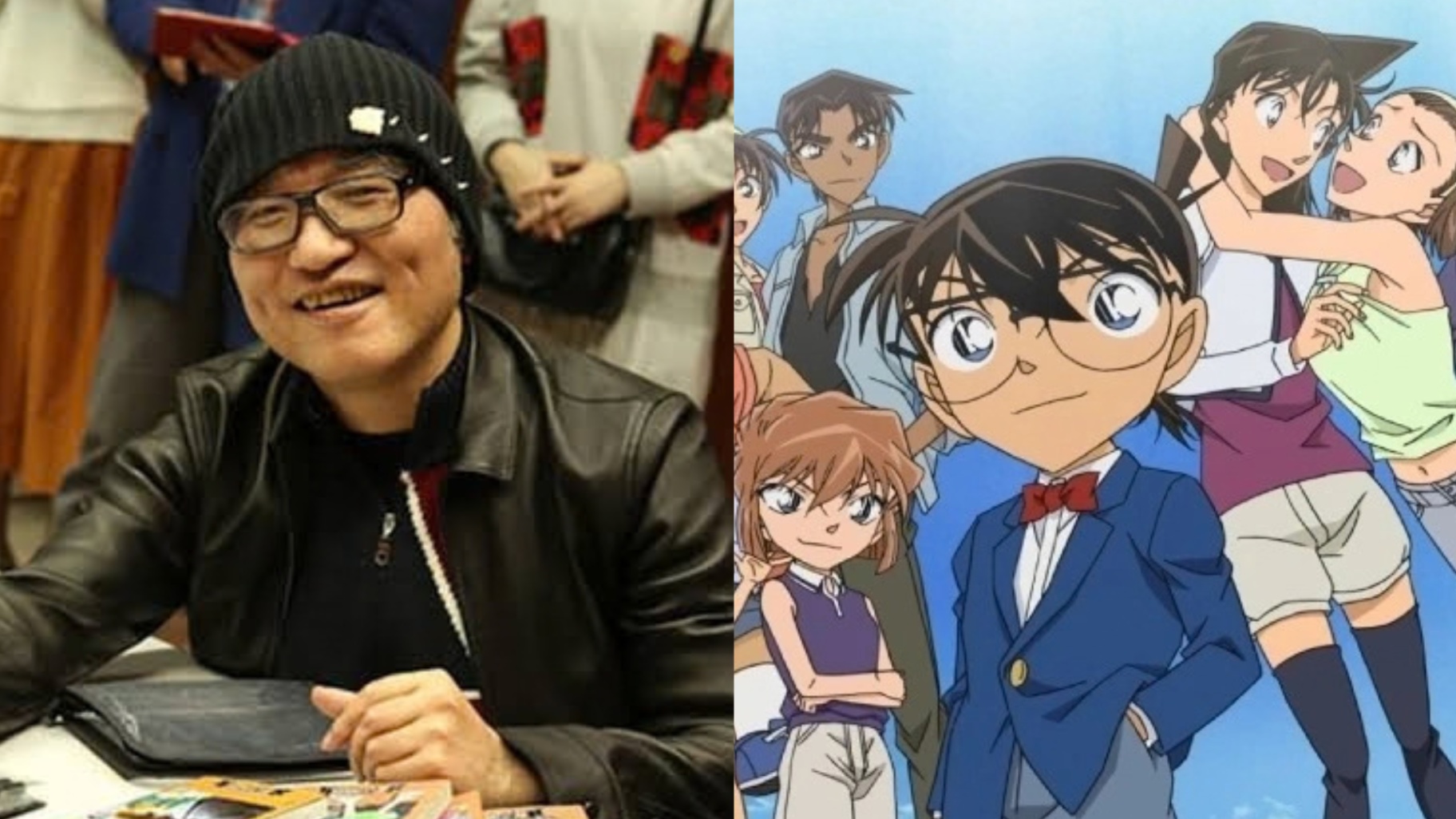
Conan manga author is a title synonymous with celebrated mangaka Gosho Aoyama, the creative mastermind behind the legendary mystery comic franchise Case Closed / Detective Conan (Meitantei Conan). Spanning more than three decades since its premiere in 1994, the series not only holds historical publishing milestones with hundreds of millions of copies in global circulation, but also stands as one of the most commercially valuable intellectual property franchises in modern popular culture.
Behind the enduring success of the shrunken teenage detective Edogawa Conan lies an intricate legal architecture of author moral rights, commercial publishing assignments, and cross-border trademark governance. Analyzing the creator’s artistic journey alongside the intellectual property mechanics that preserve his franchise provides essential insights for creators and media businesses commercializing creative assets. The following analysis by Tran & Tran Intellectual Property Co., Ltd. examines the career and copyright framework of the global icon.
1. Biography and Artistic Trajectory of Gosho Aoyama
Gosho Aoyama was born on June 21, 1963, in the town of Daiei (now Hokuei), Tottori Prefecture, Japan. Displaying exceptional drawing talent from early childhood, he harbored a deep fascination with classic Western detective literature alongside manga illustrations.
His professional creative milestones highlight a remarkable career ascent.
- Early breakthrough and prestigious debut. After studying art at Nihon University in Tokyo, Aoyama made his formal editorial debut in 1987 with the short work Chotto Matte, promptly winning the Shogakukan New Manga Artist Award.
- Milestones leading up to the Conan era. Prior to achieving global renown with Conan, Aoyama earned commercial acclaim with his comedy-samurai manga Yaiba (securing the 38th Shogakukan Manga Award in 1993) and the romance-heist saga Magic Kaito, introducing the iconic phantom thief Kaito Kid.
- The genesis of Detective Conan. In January 1994, the inaugural chapter of Detective Conan ran in Weekly Shonen Sunday. Combining deductive logic, criminal psychology, and the emotional narrative between Shinichi Kudo and Ran Mori, the serial rapidly grew into a worldwide cultural fixture.
Beyond narrative craftsmanship, converting narrative characters into commercial franchises requires businesses to understand the statutory boundary between trademarks and commercial brands to file trademark applications for character names, logos, and signatures across international consumer markets.
2. Statutory Copyright Nature of the Detective Conan Manga
Under intellectual property jurisprudence, an ongoing comic series represents a complex multi-layered protected subject matter combining graphic fine arts with literary drama.
The statutory allocation of rights across the franchise operates on established legal principles.
- Moral rights vested in Gosho Aoyama. As the natural person directly exerting intellectual effort to illustrate panels and script plotlines, Gosho Aoyama remains the sole statutory author holding inalienable moral rights. These include the right of paternity to claim authorship across all translated volumes and the right of integrity to prevent unauthorized alterations or distortions that undermine his artistic honor.
- Economic rights allocation and publishing administration. In the Japanese domestic market, the author executes long-term publishing assignments and commercial exploitation covenants with publishing conglomerate Shogakukan. Shogakukan exercises primary economic licensing authority, holding the legal mandate to sublicense regional publishers abroad (such as Kim Dong Publishing House in Vietnam) for authorized translation, printing, and retail circulation.
- Statutory duration of copyright protection. Pursuant to the Berne Convention and prevailing intellectual property statutes worldwide, economic exploitation rights over the Conan manga endure for the author’s natural lifetime plus a statutory period of 50 to 70 years following his calendar year of death.
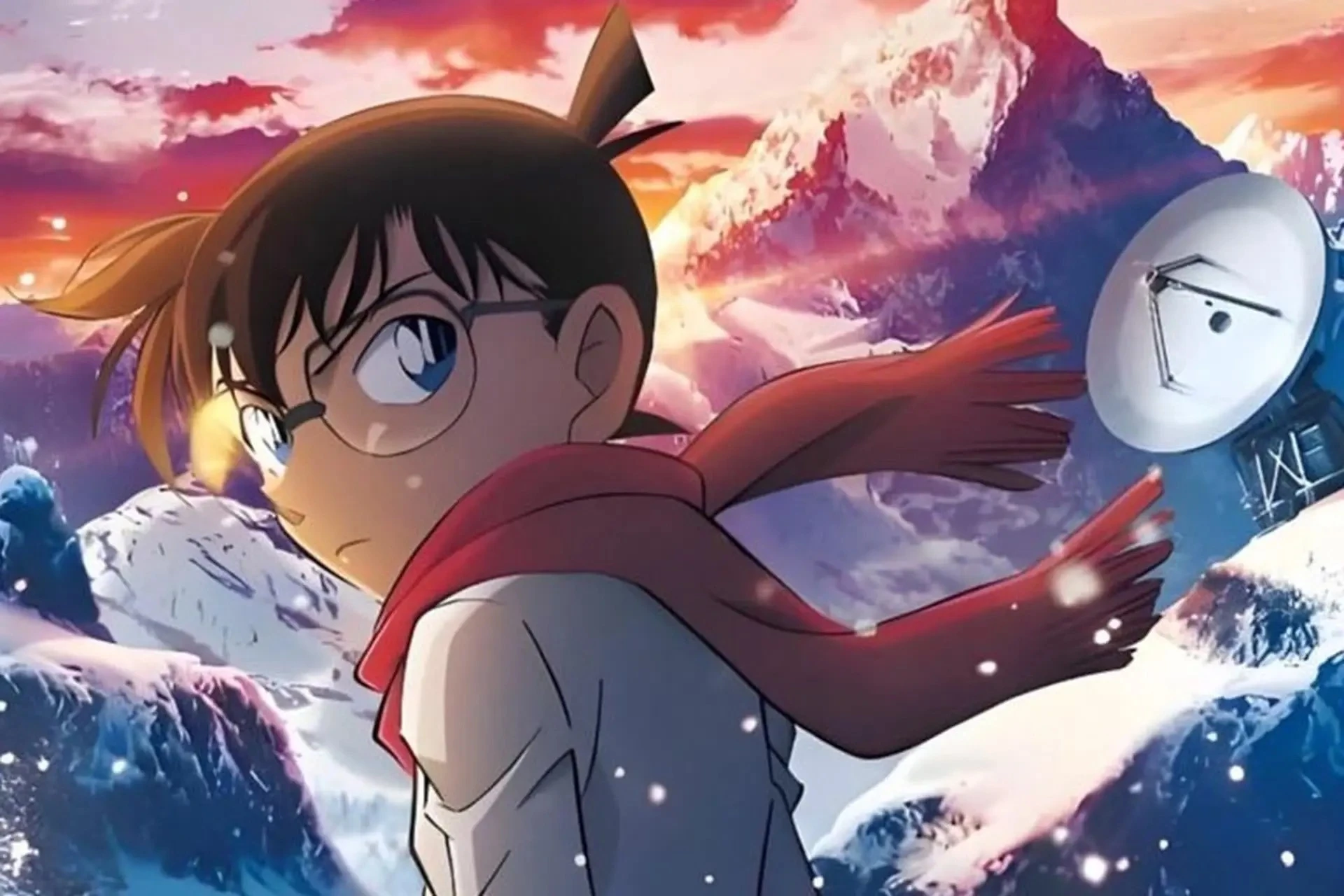
When iconic figures like Conan, Kaito Kid, or Ai Haibara are licensed into scale figures and collectible models within industrial manufacturing and product design fabrication, securing formal merchandise licensing agreements from the title-holding consortium is essential to mitigate cross-border copyright litigation.
Intellectual Property Protection Structure of the Conan Franchise
| Protected Subject Matter | Applicable Legal Framework | Rights Holder | Enforcement Scope |
| Character artwork, manga panels | Copyright in works of applied and graphic art | Gosho Aoyama (licensed via Shogakukan) | Excludes unauthorized reproduction and bootleg scans |
| Case narratives, literary dialogue | Copyright in literary works | Author Gosho Aoyama | Prohibits story plagiarism and unauthorized adaptations |
| Animated adaptations (Anime, Movies) | Copyright in cinematographic audio-visual works | Production Consortium (TMS, YTV, Shogakukan) | Theatrical releases, home media, and OTT streaming |
| Franchise titles, logos, emblems | Registered Trademark Protections | Designated Corporate Rights Entities | Exclusive use on apparel, figures, and merchandise |
3. The Transmedia Adaptation Ecosystem and Multi-Channel Monetization
The influence of the Conan manga author extends far beyond monochrome print chapters, transforming into a diverse commercial enterprise.
- Serialized anime and annual feature films. The television anime adaptation has maintained continuous weekly broadcasts since 1996. The annual theatrical feature films consistently break box-office earnings records across East Asia.
- Global commercial merchandising. Tens of thousands of licensed consumer products—from school stationery and apparel lines to collectible watches, electronic games, and trading cards—are distributed under strict commercial licensing controls.
- Regional cultural tourism. Aoyama’s hometown of Hokuei was transformed into “Conan Town,” featuring the Gosho Aoyama Manga Factory museum, monumental bronze character statues, and themed public transit lines that generate significant municipal tourism revenue.
To confirm that commercial promotions or media derivative projects do not infringe existing rights, commercial operators should perform online brand and copyright clearances before executing merchandising transactions.
4. Comic Piracy Challenges and Strategic IP Enforcement
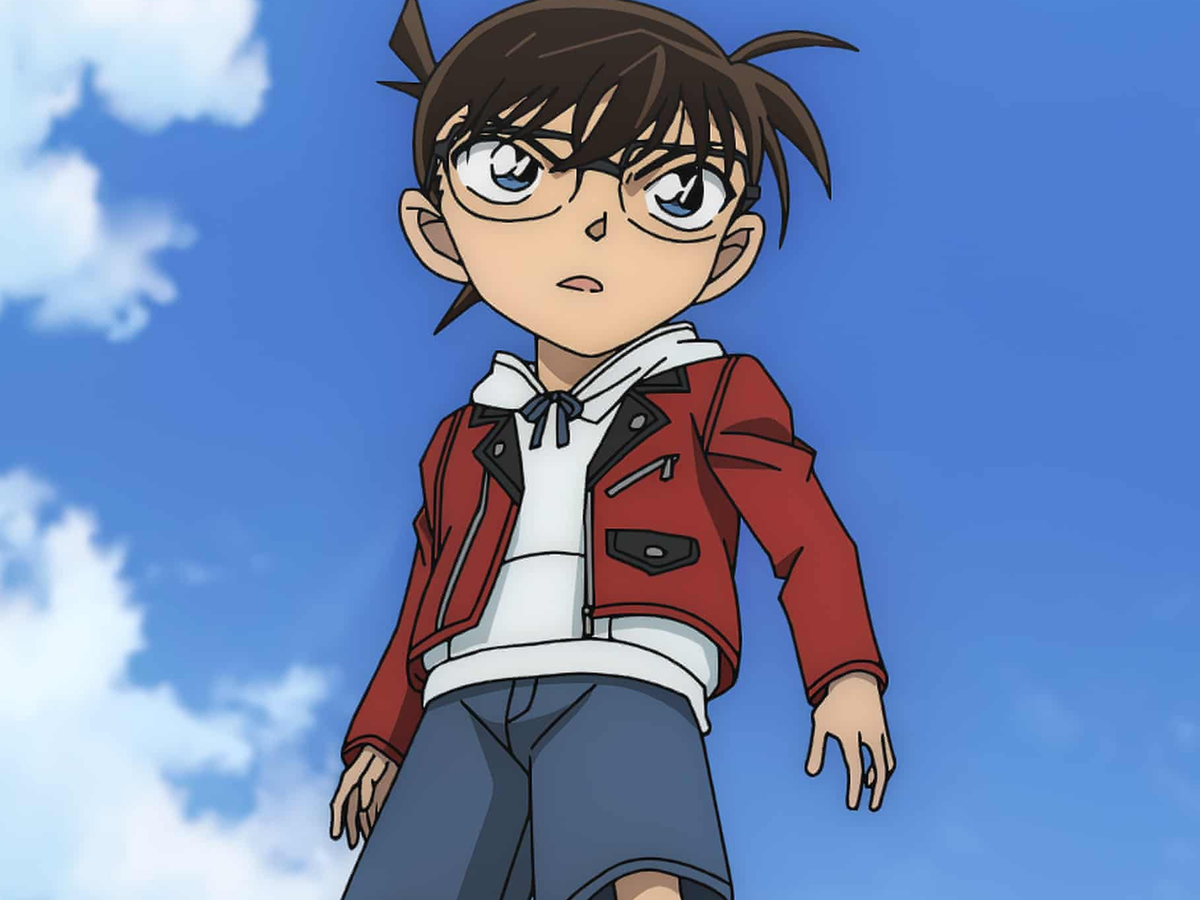
Despite its sophisticated global rights architecture, the Conan comic franchise encounters ongoing copyright infringement across online repositories and retail markets.
- Scanlation networks and unauthorized digital reading sites. Numerous unlicensed portals rip digital magazine scans, produce unsanctioned translations, and stream chapters online without rights clearance to monetize unauthorized advertising traffic.
- Counterfeit print publications. Illicit print shops reproduce paper comic volumes, duplicate trade dress covers, and circulate unauthorized compilation anthologies, diverting royalties from legitimate regional licensees.
- Unlicensed consumer merchandise. Informal production facilities apply character graphics onto garments, school bags, and imitation figures using substandard industrial plastics, violating both registered trademark rights and character copyrights.
- Cross-border logistics and customs enforcement. When importing translated volumes and licensed collectible figures, engaging licensed international logistics providers like TCL Freight ensures customs clearance compliance and protects legitimate cargo from border seizures triggered by suspected counterfeit goods.
Drafting structured licensing documentation and compiling standardized filings—analogous to preparing an official trademark application declaration—supplies definitive evidence when petitioning judicial and administrative agencies for enforcement.
5. Comic and Fine Art Copyright Services at Tran & Tran Law
Established in 2013, Tran & Tran Intellectual Property Co., Ltd. (Tran & Tran Law / Tran & Tran IP) is an officially licensed Industrial Property Representation Organization. Supporting graphic authors, fine artists, and international media publishers, we provide comprehensive intellectual property services across creative domains.
- Comic and graphic art copyright registration. Providing statutory classification audits, filing applications with national Copyright Offices, and tracking prosecution through the [suspicious link removed] to secure official registration certificates.
- Licensing agreement drafting and negotiation. Reviewing commercial publishing licenses, anime adaptation accords, brand sponsorship agreements, and character merchandising rights contracts.
- Digital enforcement and dispute resolution. Issuing Cease and Desist notices against digital scan portals, executing online evidence preservation, and collaborating with administrative inspectorates to suppress infringing operations.
Learn more about our dedicated intellectual property practices on our professional IP services portal.
Direct Consultation and Representative Office
- Entity Tran & Tran Intellectual Property Co., Ltd. (Tran & Tran Law / Tran & Tran IP)
- Head Office Room 802, Talico Building, 22 Ho Giam Street, Van Mieu – Quoc Tu Giam Ward, Dong Da District, Hanoi
- Official Websites trantranlaw.com | trantran.vn
- Practice Areas Industrial Property Representation, Comic and Artwork Copyright, Trademarks, Patents, Industrial Designs, Licensing, and Intellectual Property Dispute Resolution.
