


Anti-plagiarism strategies serve as an indispensable legal shield for authors, visual designers, creative enterprises, and manufacturers seeking to defend their original intellectual assets against sophisticated imitation, cosmetic paraphrasing, and style theft. In an interconnected digital era dominated by social media algorithms, global e-commerce storefronts, and generative artificial intelligence (AI), illicit copying has moved beyond crude verbatim plagiarism into deceptive variants: “concept scraping,” “design mimicry,” and “brand emulation” engineered to exploit commercial goodwill without incurring research and development expenses.
Plagiarism dilutes the commercial valuation of original works, induces confusion among consumers, and erodes the economic incentive for creative innovation. Although the distinction between “legitimate aesthetic inspiration” and “unlawful plagiarism” frequently sparks industry debate, intellectual property law provides rigorous doctrines to dismantle infringing acts. The legal analysis below from Tran & Tran Intellectual Property Co., Ltd. details the statutory foundations, infringement standards, and procedural protocols necessary to execute decisive anti-plagiarism enforcement.
1. Statutory Demarcation: Unlawful Plagiarism vs. Legitimate Creative Inspiration
Executing effective anti-plagiarism actions requires establishing whether the contested conduct satisfies the statutory criteria for intellectual property infringement under international treaties and national copyright statutes.
1.1. The Idea-Expression Dichotomy
A foundational pillar of global copyright jurisprudence is that copyright protects only the concrete, tangible expression of an author, never the underlying abstract idea, concept, methodology, or aesthetic style.
- Abstract Concepts (Unprotected Public Domain): A film premise centered on an underdog athlete overcoming adversity, a commercial photo shoot adopting 1990s vintage film grain, or a visual mind-mapping technique for language acquisition are universal concepts freely accessible to all market participants.
- Tangible Expressions (Exclusively Protected): The unique chronological screenplay, idiosyncratic dialogue, precise lighting balance, customized camera perspective, distinctive paragraph syntax, and proprietary graphic diagrams constitute statutory expressions protected by law.

1.2. When Does Inspiration Cross into Actionable Plagiarism?
An imitation crosses the threshold into actionable copyright or design infringement when two legal elements are satisfied:
- Access: The alleged infringer possessed a reasonable opportunity to view, examine, or access the original work (via public exhibitions, retail distribution, commercial advertising, or digital publication).
- Substantial Similarity: The competing work exhibits substantial similarity in expressive, protectable elements, leading an ordinary observer to recognize the illicit appropriation of core creative craftsmanship, regardless of minor surface cosmetic alterations (such as swapped color palettes, reworded phrases, or transposed layout elements).
When visual product designs or graphic packaging are commercialized within industrial manufacturing and product design fabrication, competitors altering trivial dimensions while retaining the overall ornamental appearance commit both industrial design infringement and actionable unfair competition.
2. Prevalent Typologies of Plagiarism in Digital Markets
Technological proliferation has generated diverse, sophisticated methodologies of creative theft:
- Textual Plagiarism and Content Spinning: Retaining the structural framework, empirical arguments, and analytical narrative of written publications while using automated spinning tools to evade plagiarism detection algorithms.
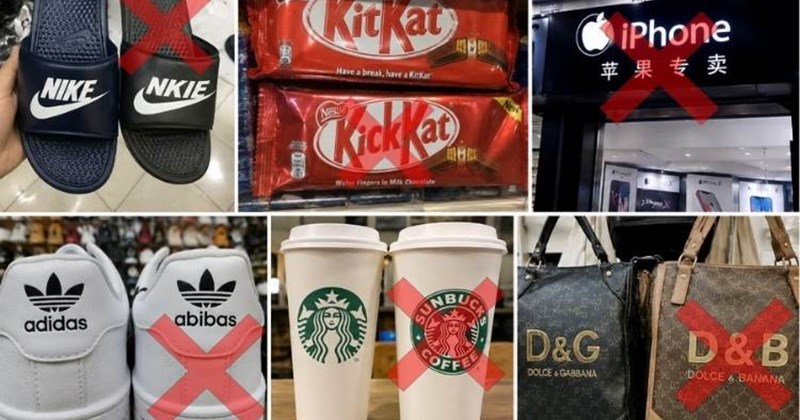
- Copycat Fashion and Graphic Design: Replicating garment silhouettes, proprietary textile prints, or brand collateral from independent ateliers, substituting inferior fabrics or altered brand labels for fast-fashion distribution.
- Architectural and Interior Blueprints Theft: Scraping spatial layouts, floor plans, and decorative detailing of boutique hospitality spaces or private residences to construct unlicensed replicas without design royalties.
- Mascot and Character Mimicry: Introducing negligible alterations to expressions, accessories, or facial contours of illustrated characters or corporate mascots to divert consumer engagement.
- AI-Assisted Style Mimicking: Feeding a human artist’s digital portfolio into generative AI models to mass-produce derivative visual assets without licensing authorization or attribution.
Alongside copyright enforcement, brand owners must examine the statutory boundary between trademarks and commercial brands to secure trademark registrations over commercial trade names, emblems, and visual logos, preventing competitors from deploying copycat branding across retail channels.

Comparative Evaluation: Lawful Inspiration vs. Actionable Plagiarism
| Evaluative Criterion | Lawful Creative Inspiration | Actionable Unlawful Plagiarism |
| Appropriated Subject | Universal concepts, themes, methods | Tangible expressive structures, protectable details |
| Degree of Originality | Forms a novel creative identity | Replicates existing creative frameworks |
| Market Impact | Promotes fair market competition | Diverts revenue and misleads consumers |
| Statutory Treatment | Protected under freedom of expression | Subject to civil injunctions, fines, and damages |
3. Statutory Grounds and Enforcement Sanctions Against Plagiarism
Legal frameworks provide comprehensive enforcement remedies across administrative, civil, and criminal jurisdictions:
3.1. Remedies Under Intellectual Property Statutes
Statutory provisions define the following acts as explicit copyright violations:
- Misappropriating authorship of literary, scientific, or artistic works.
- Impersonating lawful authors or creators.
- Publishing, releasing, or distributing works without the titleholder’s express authorization.
- Modifying, truncating, or distorting works in any manner prejudicial to the author’s honor and professional standing.
- Reproducing works or creating unauthorized derivatives without statutory licensing clearances.
3.2. Unfair Competition Remedies
Where an enterprise copies competitor packaging trade dress, corporate design schemes, or commercial promotional collateral to induce confusion regarding commercial origin, the conduct triggers liability under competition statutes prohibiting misleading trade dress imitation and trade secret misappropriation.

3.3. Statutory Liabilities and Penalties
- Administrative Sanctions: Fines reaching up to 500,000,000 VND against offending corporate entities, accompanied by compulsory seizure, destruction of copycat inventories, and mandatory digital asset takedowns.
- Civil Remedies: Judicial orders commanding immediate cessation of infringing acts, public retractions and apologies published in national press, alongside compensatory damages covering quantified losses, diverted licensing fees, and reasonable attorney fees.
- Criminal Liability: Commercial-scale piracy generating substantial illicit gains or causing severe market prejudice triggers criminal prosecution for Crimes of Infringing Copyright and Related Rights under the Penal Code.
4. Five-Step Strategic Enforcement Protocol for Combating Plagiarism
To maximize legal leverage when encountering copycat works, rights holders should follow a structured five-step enforcement protocol:
Step 1: Evidentiary Fixation via Certified Electronic Bailiff Reports
Avoid confronting the infringer on social media before securing verifiable evidence, as the opposing party may scrub digital traces. Immediately retain a licensed bailiff (Thừa phát lại) to prepare an Electronic Bailiff Report (Vi bằng điện tử). This document establishes irrefutable evidence of dates, URLs, visual comparisons, transaction volumes, and consumer engagements.
Step 2: Ownership Chain Audit and Conflict Clearances
Consolidate early creative artifacts proving independent creation (timestamped design files, RAW image data, employment contracts, initial social media releases). Concurrently, conduct online brand and copyright clearances to confirm the adverse party has not preemptively filed bad-faith trademark or design applications for the copied elements.
Step 3: Formal Service of a Cease and Desist (C&D) Demand Letter
Retain specialized IP counsel to deliver an official legal notice to the offending party. The notice details structural similarities, cites statutory breaches, presents certified evidence, and imposes a strict deadline (typically 24 to 72 hours) demanding the cessation of manufacturing, inventory recall, digital takedowns, and commercial restitution.
Step 4: Digital Platform Takedown Enforcement (DMCA Actions)
Lodge formal intellectual property complaints with e-commerce platforms (Shopee, Lazada, TikTok Shop) and social networks (Meta, YouTube). Attaching copyright registration certificates alongside comparative evidence enables platform administrators to delist infringing product pages or enforce seller suspensions.
Step 5: Administrative Petitions and Judicial Litigation
If the infringer remains non-compliant:
- File an inspection request with Market Surveillance, the Inspectorate of Science and Technology, or Cultural Inspectorates to conduct on-site enforcement raids and confiscate copycat inventory.
- File a civil lawsuit before a competent court demanding injunctive relief, compensatory financial restitution, and formal public apologies.
Maintaining administrative precision throughout documentation assembly—comparable to the standards required for an official trademark application declaration—ensures enforcement petitions avoid procedural delays.
5. Proactive Risk Mitigation Strategies for Creators and Enterprises
Developing proactive legal safeguards before market launch is the most cost-effective anti-plagiarism defense:
- Expedited Intellectual Property Filings: Register copyrights and industrial designs prior to public commercial disclosure. Submitting filings directly or via the [suspicious link removed] establishes verified public records of statutory ownership.
- Preserving the Chain of Title: Archive dated sketches, vector project source files (AI, PSD, CAD), client approvals, and initial digital uploads with verified time-stamping metadata.
- Executing Robust Non-Disclosure Agreements (NDAs): When engaging production factories, print vendors, or freelance contractors, mandate comprehensive confidentiality terms and explicit intellectual property assignment provisions.
- Cross-Border Logistics Security for Product Prototypes: When transporting design samples, industrial prototypes, or sensitive promotional collateral overseas for trade exhibitions, collaborating with specialized freight logistics providers such as TCL Freight ensures compliant customs declarations, sealed secure handling, and protection against unauthorized sampling at border entry points.
6. Comprehensive Anti-Plagiarism Practice at Tran & Tran Law
Established in 2013, Tran & Tran Intellectual Property Co., Ltd. (Tran & Tran Law / Tran & Tran IP) is an officially licensed Industrial Property Representation Organization. Serving creative agencies, fashion labels, software developers, and industrial manufacturers, we deliver a full suite of comprehensive intellectual property services designed to combat copycat practices:
- Substantial Similarity and Infringement Analysis: Delivering technical legal opinions assessing creative overlap, protectable expression boundaries, and litigation viability.
- End-to-End Rights Registration: Prosecuting applications for copyrights, industrial designs, and trademarks to build comprehensive protection portfolios.
- Full-Scale Enforcement and Takedowns: Procuring bailiff evidence, serving C&D letters, coordinating e-commerce takedowns, and interfacing with administrative enforcement agencies.
- Judicial Representation and Litigation: Acting as trial counsel in civil and commercial lawsuits to secure financial damages, inventory destruction orders, and public retractions.
To evaluate our practice scope, visit our professional IP services portal.
Direct Consultation and Representative Office:
- Entity: Tran & Tran Intellectual Property Co., Ltd. (Tran & Tran Law / Tran & Tran IP)
- Head Office: Room 802, Talico Building, 22 Ho Giam Street, Van Mieu – Quoc Tu Giam Ward, Dong Da District, Hanoi
- Official Websites: trantranlaw.com | trantran.vn
- Practice Areas: Industrial Property Representation, Anti-Plagiarism Enforcement, Copyright Filings, Patents, Trademarks, Industrial Designs, Licensing Agreements, and Intellectual Property Dispute Resolution.
