


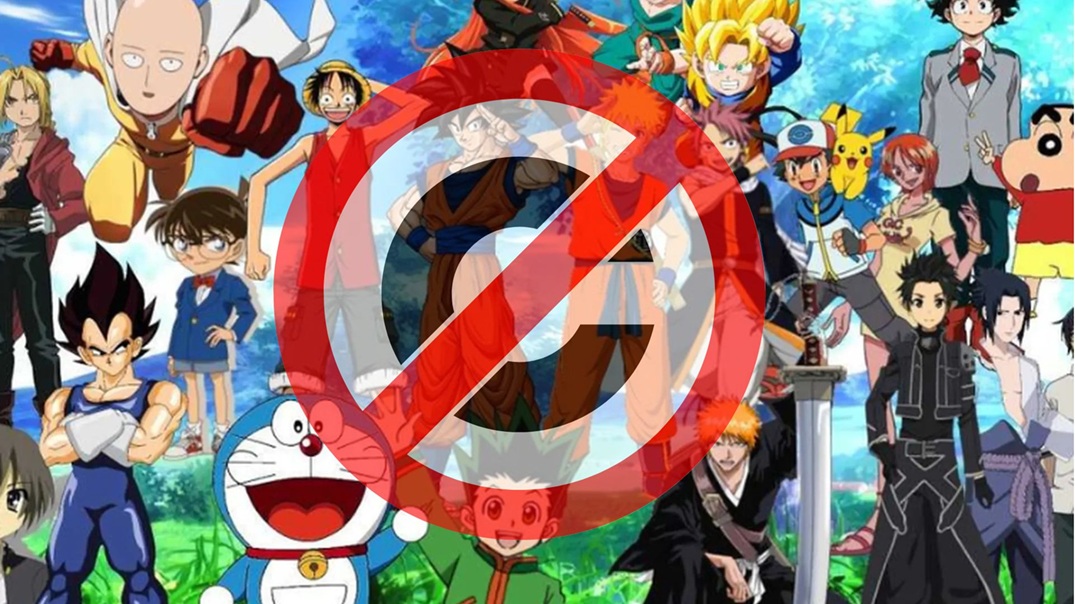
Anime cartoon character copyright registration is a fundamental legal step for graphic artists, animation studios, game developers, and content creators prior to commercializing their creative works. Within the digital entertainment and popular culture sectors, an anime character does not merely feature in animated series or serialized comics; it stands at the epicenter of a commercial merchandising ecosystem spanning scale figures, plush collectibles, apparel, fashion accessories, and brand ambassadorships.
However, creators face a critical commercial vulnerability: newly launched characters are frequently subjected to unauthorized aesthetic copying, illicit manufacturing across consumer merchandise, or unauthorized social media exploitation by third parties without licensing permission. Establishing statutory legal ownership through professional copyright registration services delivers the most authoritative legal proof to secure creative output and maximize merchandising revenue streams.
This comprehensive guide from Tran & Tran Intellectual Property Co., Ltd. (Tran & Tran Law) provides a structured analysis of statutory protection criteria, required filing dossiers, 5 practical case studies, and standard procedures for anime cartoon character copyright registration under prevailing regulatory frameworks.
1. Statutory Protection Mechanisms for Anime Cartoon Characters
Under intellectual property jurisprudence, an anime character design is legally recognized and protected under the categories of Works of Applied Art or Works of Fine Art:
- Works of Applied Art: Applicable where the character visual design is intended for application onto utilitarian physical goods (apparel printing, consumer packaging, product labels, keyrings, toy figurines, or brand mascots).
- Works of Fine Art: Applicable where the character is created purely as graphic artwork or digital paintings intended for aesthetic visual appreciation.
Protectable Visual Components Recognized by Law:
- Visual Form of Expression: Line art, facial proportions, eye styling, hair coloration, distinct hairstyles, signature costumes, accompanying accessories, and standardized color palettes.
- Multi-Angle Character Concept Sheets (Model Sheets): Depicting character designs across multiple perspectives (front elevation, three-quarter view, profile, and rear view), integrated with representative facial expressions (joy, sorrow, anger) and signature dynamic poses.
Crucial Legal Note Regarding Character Persona:
Intellectual property statutes protect only the external visual expression of a character. Abstract “personality traits,” “fictional backstories,” or conceptual notions of superpowers receive no copyright protection unless concretely expressed through graphic imagery or explicit textual dialogue within an underlying script.
To examine foundational collections of classical graphic arts, historic printmaking techniques, and institutional preservation methods for rare visual manuscripts across different eras, researchers may consult resources such as The British Library.
2. Statutory Rights Conferred by Copyright Registration Certificates
Upon obtaining an official Copyright Registration Certificate, the author and copyright owner secure full title over two comprehensive groups of statutory rights:
- Moral Rights:
- The right to name and title the anime character work.
- The right to affix real names or pseudonyms to the work; the right to attribution whenever the character is published, screened, or integrated into gaming titles.
- The right to publish the work or license authorized distribution to third parties.
- The right to protect the integrity of the work, prohibiting unauthorized redrawing, mutilation, distortion, or derogatory treatment that prejudices the creator’s reputation.
- Economic Rights:
- The exclusive right to reproduce the work: printing art prints, publishing concept artbooks, and reproducing imagery across textile, ceramic, or plastic mediums.
- The exclusive right to prepare derivative works: translating 2D design sheets into 3D polygon assets, game engine rigs, animated film sequences, or serialized graphic novels.
- The exclusive right to distribute original copies or reproductions to the public.
- The exclusive right to commercialize character designs and collect licensing royalties pursuant to formal merchandising agreements executed with commercial consumer brands.
In tandem with copyright protection for graphic artwork, the specific name of the character or accompanying visual logos should be concurrently protected through dedicated trademark clearance and registration services to prevent competing parties from preemptively securing commercial trademarks across core consumer classes, such as toys and apparel (Classes 25 and 28).
3. 5 Classic Case Studies in Anime Character Copyright Protection
Practical realities within the entertainment industry confirm that character copyright registration is not merely about establishing bare ownership—it forms the indispensable bedrock for operating multi-billion-dollar franchise merchandising operations. Below are 5 notable legal case studies:
1. Doraemon (The Robotic Cat from the Future – Fujiko Pro)
- Protection Form: Protection as a work of fine art covering the visual design of an earless blue robotic cat, featuring a bell choker and a front abdominal pocket.
- Legal Strategy: Fujiko Pro did not merely register copyright over visual model sheets depicting facial expressions for Doraemon, Nobita, and Shizuka; the studio systematically registered exclusive trademarks for the word mark “DORAEMON” and corresponding facial graphics across dozens of commercial classes (stationery, toys, confectionery, apparel).
- Key Takeaway: Proactive copyright registration enables rights holders to decisively halt unauthorized commercial reproduction on retail packaging and suppress unapproved derivative publications.
2. Pikachu & Pokémon (The Pokémon Company / Nintendo)
- Protection Form: Copyright protection covering original creature designs (Pocket Monsters) coupled with industrial designs and trademark registrations.
- Legal Strategy: Pikachu features highly identifiable visual hallmarks: a yellow body, black-tipped ears, red cheek pouches, and a lightning-bolt-shaped tail. Full 2D renderings, 3D digital assets, and keyframe animation poses are comprehensively registered as works of art.
- Enforcement Precedent: The Pokémon Company maintains an assertive enforcement policy. Backed by expansive copyright certificates and trademark registrations, the entity has successfully secured substantial court awards against infringing video game titles that clone Pokémon models, while stopping vast consignments of counterfeit plush toys at customs borders.

3. Son Goku (Dragon Ball – Toei Animation & Shueisha)
- Protection Form: Character design copyright covering multiple sequential developmental and power-transformation states.
- Legal Strategy: Creator Akira Toriyama and Shueisha registered copyright over distinct progressive iterations: from the tail-bearing child form with spiky black hair, to the gold-haired Super Saiyan state, and modern visual milestones (Super Saiyan God, Ultra Instinct).
- Key Takeaway: Each distinct transformation—exhibiting altered hair geometry, eye color, expression, and martial arts attire—constitutes an independent protectable artistic work. Registering each visual milestone secures exclusive rights over high-end scale figures, collectible trading cards, and apparel printing.
4. Monkey D. Luffy (One Piece – Eiichiro Oda & Shueisha)
- Protection Form: Distinctive character design coupled with separate copyright registration for pirate emblem iconography (Jolly Roger).
- Legal Strategy: Luffy’s visual identity centers around a red-ribboned straw hat, a sub-ocular scar beneath the left eye, a red vest, and an expansive grin. In addition to the character’s visual anatomy, the straw-hat skull insignia is independently registered as a standalone work of applied art.
- Key Takeaway: Independent protection for character graphics alongside accompanying insignia enables streamlined commercial exploitation across compact consumer accessories (keychains, mobile phone covers, decals) without requiring reproduction of the full character figure.
5. Naruto Uzumaki (Naruto – Masashi Kishimoto & Studio Pierrot)
- Protection Form: Progressive visual design copyright corresponding to distinct age eras (Genin youth, Naruto Shippuden, and adult Hokage).
- Legal Strategy: Naruto’s visual branding incorporates distinct indicators: spiked blonde hair, a Leaf Village forehead protector, triple whisker markings on each cheek, and a signature orange tracksuit. The studio registered artistic works covering every sequential chronological phase.
- Key Takeaway: Where a character undergoes significant canonical visual evolution over time, filing supplementary concept sheets for new visual eras is essential to eliminate legal gaps that infringers might exploit.
Summary of Protection Strategy Across the 5 Case Studies:
| Anime Character | Rights Holder | Core Protected Visual Elements | Primary Commercial Exploitation |
| Doraemon | Fujiko Pro | Blue earless feline design, abdominal pouch | Publishing, consumer homeware, stationery, corporate mascots |
| Pikachu | The Pokémon Company | Body proportions, red cheeks, lightning tail | Video games, trading cards (TCG), plush toys, fashion lines |
| Son Goku | Shueisha / Toei | Hair transformations, martial arts uniforms | High-end scale figures, fighting games, streetwear apparel |
| Luffy | Eiichiro Oda / Shueisha | Straw hat silhouette, Jolly Roger emblem | Apparel, travel goods, theme park attractions, toys |
| Naruto | Shueisha / Pierrot | Whisker marks, orange attire, aging variants | Video games, cosplay apparel, collectible statues, ninja props |
4. Required Dossier for Anime Cartoon Character Copyright Registration
A complete application package submitted to the competent national copyright administration comprises:
- Official Copyright Registration Application Form (standard statutory template).
- 02 Color Print Copies of the Character Design Work:
- High-resolution color prints prepared on A4 sheets, clearly depicting the entire character layout (multi-angle perspectives: front, side, rear, alongside standard color values).
- Detailed Written Character Description: Summarizing design concepts, stylistic choices, and unique identifying aesthetic attributes.
- Author’s Statement of Originality: Formal declaration certifying that the design was independently conceived without plagiarizing existing third-party characters, accepting full statutory liability.
- Ownership Agreements and Chain of Title:
- Work-for-hire agreements or commissioning contracts (where the character was developed under employment or commissioned by an animation studio or gaming enterprise).
- Written consent executed by all co-authors (where multiple concept artists contributed to the final visual asset).
- Certified Identification Documents:
- Identity Card or Passport copies of the artist and the copyright owner (for natural persons).
- Business Registration Certificate copies (where ownership belongs to a corporate animation house or game studio).
- Power of Attorney (appointing authorized industrial property agents at Tran & Tran Law).
5. Application Procedures and Official Examination Timelines
| Phase | Procedural Actions | Statutory Processing Window |
| 1. Intake & Legal Vetting | Verification of originality, standardization of technical A4 prints, and vetting corporate dossiers | 01 to 02 working days |
| 2. Formal Application Submission | Physical delivery or online electronic filing via the official administrative portal | Same day |
| 3. Substantive Examination | Evaluation of procedural compliance, visual fixation, and statutory eligibility | 15 working days from complete receipt |
| 4. Certificate Issuance | Official decision granting the Copyright Registration Certificate and entry into the National Register | 01 to 03 working days |
Statutory Terms of Protection:- Moral rights attached to the creator are protected indefinitely.
- For works of applied art, economic rights and publication rights subsist for 75 years from the date of first publication; if unpublished within 25 years from fixation, protection extends for 100 years from fixation.
- Where the character is registered as an individual work of fine art, protection subsists throughout the author’s entire lifetime plus 50 years following the author’s death.
6. Statutory Enforcement Against Anime Character Copyright Infringement
Securing an official Copyright Registration Certificate equips rights holders with statutory legal mechanisms to suppress unauthorized exploitation:
- Digital Infringement Enforcement: Submitting verified infringement notices accompanied by certificates to major e-commerce platforms, social networks, and online storefronts to remove unauthorized model listings, take down counterfeit apparel, and terminate infringing accounts.
- Cease & Desist (C&D) Demands: Compelling illicit print shops and unauthorized fabrication workshops to immediately cease manufacturing and destroy counterfeit physical inventory.
- Administrative Enforcement Requests: Petitioning specialized market surveillance authorities or cultural inspectorates to conduct raids, levy statutory fines, and confiscate infringing goods and production molds.
- Civil Court Litigation: Pursuing civil actions to recover actual economic damages, lost commercial profits, and reasonable attorney fees incurred during enforcement.
These enforcement initiatives are managed through our anti-counterfeiting and copyright dispute practice. Further legal analyses on copyright protection are published within our curated legal news and intellectual property commentary.
7. About Tran & Tran Intellectual Property Co., Ltd. (Tran & Tran Law)
Founded in September 2013, Tran & Tran Intellectual Property Co., Ltd. (Tran & Tran Law / Tran & Tran IP) is an official intellectual property representation organization, advising and protecting creative assets for visual illustrators, animation studios, video game developers, and commercial entertainment brands.
Staffed by specialized intellectual property attorneys experienced in visual arts and digital content industries, Tran & Tran structures robust legal protections, optimizes application dossiers, and maintains absolute confidentiality over proprietary character designs prior to market launch. Detailed information regarding our organization is available on our firm overview and leadership profile.
Core Intellectual Property Practice Areas:
- Applied Art Copyright Registration: Preparing application dossiers and securing registrations for anime characters, corporate mascots, and 2D/3D graphic designs via our copyright advisory services.
- Character Name & Franchise Trademarking: Registering brand names, titles, and logos for commercial merchandising via our dedicated trademark prosecution practice.
- Merchandise Model & Packaging Design: Securing industrial design patents for action figures, collectible toys, and limited-edition display boxes via our patent and industrial design practice.
- Commercial Licensing & Dispute Resolution: Structuring formal merchandising contracts, managing cross-border IP licensing, and litigating infringements via our anti-counterfeiting and dispute practice.
If your studio is finalizing an anime character design and requires formal copyright protection prior to release, consult our practitioners directly through our direct legal consultation portal.
Frequently Asked Questions (FAQ)
- Can anime characters drawn using digital software (Photoshop, Clip Studio Paint) be registered for copyright?
Yes. Intellectual property statutes protect works irrespective of the medium or creative tool employed (traditional hand-drawn artwork or digital graphics). High-resolution color prints generated from digital files fully satisfy statutory submission requirements for visual art registrations.
- Can an anime character generated entirely by AI tools (such as Midjourney or Stable Diffusion) receive copyright protection?
No. Under established intellectual property principles, a protectable work must be the direct result of human intellectual creation. Images generated entirely by AI software via prompt inputs do not satisfy statutory authorship criteria; only designs drawn directly by human artists, or containing substantial, verifiable human creative modifications, qualify for copyright protection.
- How should an applicant file when a character features multiple costumes or varying facial expressions?
Applicants may consolidate variations into a single application for a work of applied art titled as a “Character Set” or submit a comprehensive Character Model Sheet displaying multiple angles, expressions, and wardrobe variants within one filing to optimize administrative costs.
- Can an artist register copyright for derivative fan-art of an established, famous anime character?
No exclusive copyright registration can be obtained without prior written authorization from the owner of the underlying character. Creating derivative fan-art of a protected character for commercial exploitation or registration without a license constitutes copyright infringement.
Official Firm Contact Information
- Entity: Tran & Tran Intellectual Property Co., Ltd. (Tran & Tran Law / Tran & Tran IP)
- Headquarters: Room 802, Talico Building, 22 Ho Giam Street, Van Mieu – Quoc Tu Giam Ward, Dong Da District, Hanoi
- Hotline: +84 (024) 3732 7466
- Email: [email protected]
- Official Portals: trantranlaw.com | trantran.vn
- Office Hours: 8:00 AM – 18:00 PM, Monday through Friday
