Avenger movie creator is an inquiry that captures the fascination of millions of cinema enthusiasts, creative developers, and intellectual property legal scholars worldwide. The Avengers film franchise not only stands as a record-shattering box-office phenomenon, but it also forms the commercial nucleus of the Marvel Cinematic Universe (MCU)—the highest-grossing entertainment property in media history.
Under specialized intellectual property jurisprudence, the question of who truly created the Avengers movies cannot be answered with a single name. A multi-billion-dollar cinematic production synthesizes original comic book creators, screenplay adapters, visionary film directors, visual production designers, and the corporate entities that finance and hold proprietary copyright title. Unpacking this authorial framework, the underlying chain of title, and cross-border trademark protections delivers essential operational lessons for filmmakers, media conglomerates, and digital content enterprises.
The following comprehensive analysis by the legal practitioners at Tran & Tran Intellectual Property Co., Ltd. details the artistic lineages, corporate ownership doctrines, and legal structures governing this global franchise.
1. Original Graphic Sources: The Visionaries Behind Earth’s Mightiest Heroes
Tracing the foundational authorship of the Avengers films requires examining the comic book pages of the early 1960s. The conceptual framework, character designs, and overarching universe were established by pioneering creators at Marvel Comics.
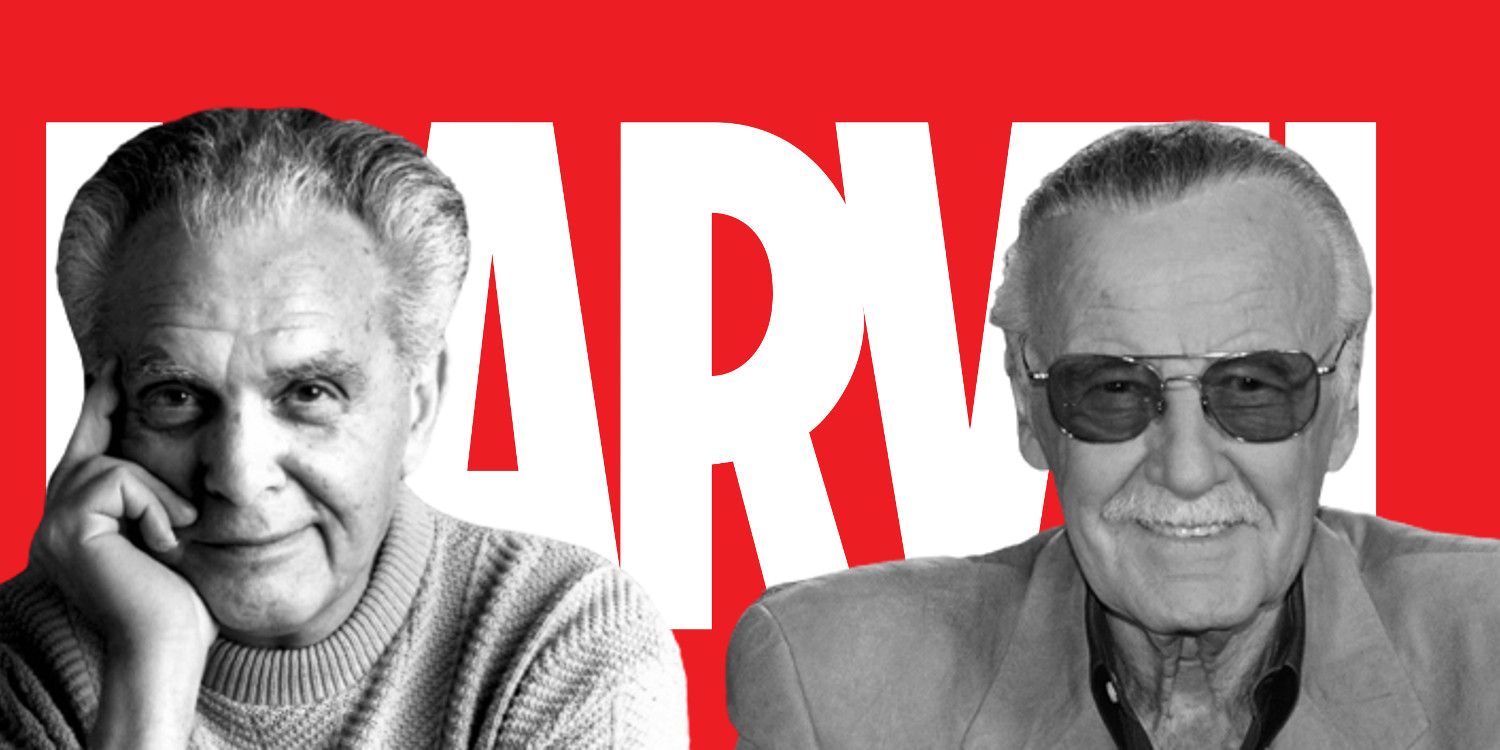
1.1. The Legendary Partnership: Stan Lee and Jack Kirby
In September 1963, The Avengers #1 debuted across North American newsstands under the iconic headline “Earth’s Mightiest Heroes.” The creators responsible for writing and illustrating that inaugural issue were:
- Stan Lee (Writer, Editor-in-Chief, Co-Creator): Developed the personalities, vulnerabilities, dialogue, and psychological dynamics of the ensemble. Lee subverted traditional superhero archetypes by embedding human flaws, philosophical doubts, and interpersonal conflicts into the characters.
- Jack Kirby (Penciler, Visual Co-Creator): Known as the “King of Comics,” Kirby established the physical dynamism, kinetic action sequences, costume silhouettes, and cosmic aesthetic for core figures including Thor, the Incredible Hulk, and Iron Man.
Joined by prolific illustrators like Steve Ditko and Larry Lieber, Lee and Kirby established the initial line-up featuring Iron Man, Thor, the Hulk, Ant-Man (Hank Pym), and the Wasp (Janet Van Dyne). In The Avengers #4 (1964), they revived Captain America—originally created by Joe Simon and Jack Kirby in 1941—positioning him as the team’s thematic and tactical leader.
1.2. Successive Generations of Comic Writers and Artists
Across subsequent decades, the Avengers mythos expanded through contributions from prolific writers and illustrators:
- Roy Thomas: Introduced the synthezoid Vision and the robotic antagonist Ultron, while conceptualizing the intergalactic Kree-Skrull War storyline.
- Jim Starlin: Created the cosmic titan Thanos and the mythic narrative of The Infinity Gauntlet (1991), providing the primary narrative architecture for the MCU’s historic Infinity Saga conclusions.
- Mark Millar and Bryan Hitch: Created The Ultimates (2002), re-imagining the Avengers through a grounded, cinematic lens with geopolitical realism. This run served as the visual basis for modern cinematic interpretations, including modeling the likeness of General Nick Fury on actor Samuel L. Jackson.
2. Cinematic Authorship: Directing and Writing the MCU Blockbusters
When source literature transitions into audiovisual media, intellectual property statutes classify key creative heads as co-authors of the cinematographic work. Across the four landmark Avengers productions from Marvel Studios, primary cinematic authorship centers on several key visionaries:
2.1. Director and Screenwriter Joss Whedon: Phase One and Phase Two
- The Avengers (2012): Serving as both director and principal screenwriter (working from a story by Zak Penn and himself), Whedon balanced screen time across six major protagonists, steering the project to become Marvel’s first film to surpass $1.5 billion in global ticket sales.
- Avengers: Age of Ultron (2015): Whedon returned to direct and write the screenplay, integrating Ultron, Scarlet Witch, and Quicksilver while examining internal moral fissures among the heroes.

The Legendary Partnership: Stan Lee and Jack Kirby
2.2. The Russo Brothers and Markus-McFeely: The Culmination of the Infinity Saga
Directors Anthony and Joe Russo partnered with screenwriting duo Christopher Markus and Stephen McFeely to elevate the ensemble franchise to historic heights:
- Avengers: Infinity War (2018): Structured the narrative around the antagonist, framing Thanos as the protagonist on a campaign to gather all six Infinity Stones, concluding with the catastrophic universal decimation.
- Avengers: Endgame (2019): A three-hour cinematic milestone resolving narratives across 22 preceding films, generating nearly $2.8 billion worldwide and standing among the highest-grossing films in global box office history.
2.3. Contributing Visual and Musical Co-Creators
Cinematic authorship extends to individual department heads responsible for tangible audiovisual elements:
- Alan Silvestri (Composer): Composed the iconic symphonic piece The Avengers Theme, establishing the definitive musical identity of the franchise.
- Cinematographers, Production Designers, and Visual Effects Supervisors: Crafted the visual language, digital world-building, and dynamic choreography, from the extraterrestrial landscapes of Titan to the climactic battle sequences in Wakanda.
When international productions manufacture physical prop weapons, complex hero armor, or scale models within industrial manufacturing and product design fabrication, securing unequivocal intellectual property agreements over the underlying applied art blueprints is critical to preventing industrial design and copyright ownership challenges.
3. Statutory Classification: Natural Authors vs. Corporate Copyright Owners
International intellectual property treaties and federal statutes—such as the United States Copyright Act of 1976—draw a sharp legal boundary between natural creative authors and corporate entities holding exclusive economic title:
┌─────────────────────────────────────────────────────────────┐
│ CREATIVE HUMAN AUTHORSHIP │
│ – Comic Book Creators: Stan Lee, Jack Kirby, Jim Starlin │
│ – Cinematic Creators: Russo Brothers, Screenwriters, Crew │
└──────────────────────────────┬──────────────────────────────┘
│ Employment & Assignment Contracts
│ (Work-Made-For-Hire Agreements)
▼
┌─────────────────────────────────────────────────────────────┐
│ EXCLUSIVE PROPRIETARY TITLE HOLDER │
│ MARVEL ENTERTAINMENT / THE WALT DISNEY COMPANY │
│ – Sole authority over theatrical distribution and tickets │
│ – Commercial merchandise licensing: toys, fashion, gaming │
│ – Exclusive digital streaming transmission rights (OTT) │
└─────────────────────────────────────────────────────────────┘
3.1. The Work-Made-For-Hire Doctrine
Why do iconic creators like Stan Lee or Jack Kirby not hold underlying copyright ownership in the Avengers films?
- The mechanism rests upon the statutory Work-Made-For-Hire doctrine within US copyright law.
- When comic book pioneers created characters for Marvel, they operated either as salaried corporate staff or freelance independent contractors receiving standard page-rate remuneration under service agreements. These contracts established that all proprietary property, economic rights, and derivative copyrights automatically vested in the publishing corporate entity (Marvel Comics).
- Similarly, when the Russo brothers executed directing contracts with Marvel Studios, their multi-million-dollar compensation packages covered creative services, while all resulting proprietary master negatives and derivative copyrights vested exclusively in the studio.
3.2. Delineation of Moral Rights vs. Economic Rights
- Moral Rights: Retained by the natural creative individuals (directors, screenwriters, composers). These protections ensure prominent billing credit across film title sequences and marketing collateral, alongside legal recourse against malicious distortions that damage artistic reputations.
- Economic Rights: Held by Marvel Studios LLC and its parent enterprise, The Walt Disney Company. Disney exercises exclusive authority over theatrical releases, linear television syndication, subscription video-on-demand via Disney+, physical home media distribution, and all downstream licensing agreements worldwide.
To protect their commercial investments, corporate studios regularly review the statutory boundary between trademarks and commercial brands to file trademark applications covering the name “Avengers,” the stylized “A” emblem, and individual character designations across dozens of international product categories.
4. Landmark Legal Battles Over Avengers Character Ownership
Behind the massive commercial revenues of the Avengers franchise lies a history of high-stakes legal battles across United States federal courts.
4.1. The Estate of Jack Kirby Litigation: Kirby v. Marvel Entertainment
In 2009, the legal heirs of Jack Kirby issued 45 statutory termination notices to Marvel, Disney, Sony, and Paramount. Invoking Section 304 of the US Copyright Act, the estate sought to reclaim fractional ownership over foundational characters, including the Avengers, X-Men, Iron Man, Thor, Hulk, and Spider-Man:
- Federal district and circuit appellate courts initially granted summary judgment in favor of Marvel, concluding that Kirby’s contributions constituted works made for hire created at the instance and expense of the publisher.
- In 2014, as the dispute stood before the Supreme Court of the United States with potential implications for the entire entertainment industry, Disney and the Kirby estate negotiated a confidential settlement valued in the tens of millions of dollars.
- Following this historic compromise, every subsequent Marvel comic issue and feature film includes prominent creator recognition: “Created by Stan Lee and Jack Kirby.”
4.2. The 2021 Statutory Termination Filings
In September 2021, Disney filed affirmative federal lawsuits against the estates and heirs of several prolific comic creators, including Steve Ditko, Don Heck, Gene Colan, and Don Rico. These legal actions sought to extinguish termination notices covering characters like Spider-Man, Hawkeye, and Black Widow, underscoring the critical necessity of maintaining unambiguous employment agreements to ensure the stability of long-term franchise rights.
5. Commercial IP Monetization: The Multi-Billion-Dollar Matrix
The Avengers intellectual property functions as an expansive multi-channel revenue engine driven by a centralized IP exploitation strategy:
5.1. Theatrical Box Office and Digital Streaming (OTT)
The four ensemble Avengers films have generated over $7.7 billion in global box office receipts. Following theatrical runs, downstream exploitation generates recurring revenue through physical media sales, international television syndication, and exclusive streaming catalog integration on Disney+.
5.2. Global Consumer Products and Licensing (Merchandising)
Global consumer product monetization yields revenues that rival and often exceed box-office returns:
- Master toy manufacturing and distribution concessions negotiated with international partners like Hasbro and the Lego Group generate hundreds of millions of dollars annually.
- Co-branded marketing alliances with global automotive, telecommunications, and electronics brands integrate Avengers visual assets into international advertising campaigns.
5.3. Immersive Theme Park Real Estate
Disney translates cinematic assets into tangible theme park environments, such as the Avengers Campus expansions at Disney California Adventure and Disneyland Paris, generating significant revenue through experiential attractions, dining, and exclusive retail locations.
To police unauthorized merchandise across global supply chains, international rights holders conduct systematic online brand and copyright clearances across major e-commerce platforms to eliminate counterfeit goods and unauthorized derivative products.
6. Official Registration Procedures for Cinematographic Works
Drawing lessons from global entertainment standards, filmmakers and digital studios must secure statutory copyright certificates promptly upon finalizing audiovisual productions:
6.1. Requisite Documentation for Film Copyright Applications
To register a cinematographic work before competent national Copyright Offices, applicants must assemble a structured filing dossier:
- Official Cinematographic Copyright Application Form: Completed on the standardized template designated for motion pictures and audiovisual works.
- Two Master Archival Copies of the Film: Stored on two high-capacity digital drives or optical discs, labeled with the official title, production date, duration, and corporate applicant details.
- Two Printed Copies of the Screenplay or Storyboard: Formally bound, featuring the screenwriter’s signature and the corporate seal of the production studio.
- Chain of Title and Ownership Documentation: Production investment agreements, co-production deeds, work-made-for-hire contracts for directors, writers, and composers, and rights assignment covenants.
- Joint Co-Ownership Agreement: Mandatory where multiple investment entities co-finance and hold fractional title to the production.
- Author’s Statement of Originality: Signed legal certification confirming that all audiovisual footage, musical arrangements, and scripts are original creations that do not infringe third-party rights.
- Corporate and Personal Identification: Certified copies of the applicant’s business enterprise registration alongside identification records for all contributing directors and writers.
- Power of Attorney: Executed on the statutory template appointing an authorized Industrial Property Representation Organization to handle all official filing and examination procedures.
6.2. Administrative Examination and Issuance
Applications can be submitted directly to official Copyright Office filing counters or processed electronically through the [suspicious link removed]. Substantive examination generally concludes within 15 to 30 working days. Upon statutory satisfaction, the competent administrative agency issues the official Certificate of Registered Copyright.
Following meticulous preparation standards—similar to completing an official trademark application declaration—ensures efficient prosecution and avoids administrative delays.
7. Digital Anti-Piracy Enforcement and International Physical Logistics
Modern film productions face persistent challenges from unauthorized digital dissemination and physical asset handling across international borders:
- Automated Digital Rights Management (DRM & Fingerprinting): Ingesting master files into automated scanning systems (such as YouTube Content ID and Meta Rights Manager) enables automated identification, blocking, or ad-revenue capture on unauthorized clips.
- Statutory Takedown Demands (DMCA Notices): Serving formal statutory notices to web-hosting providers, domain registries, and content distribution networks mandates the prompt removal of infringing streams and direct download links.
- Border Enforcement and Cross-Border Film Logistics: When transporting Digital Cinema Package (DCP) hard drives, uncompressed digital master files, or proprietary film gear across international borders for scoring, sound design, or international premieres, production studios should partner with experienced freight forwarders like TCL Freight. This ensures proper customs clearance declarations, secure container handling, and minimized risk of physical master data loss at international ports of entry.
8. Entertainment Intellectual Property Legal Practice at Tran & Tran Law
Established in 2013, Tran & Tran Intellectual Property Co., Ltd. (Tran & Tran Law / Tran & Tran IP) is an officially recognized Industrial Property Representation Organization. Assisting film producers, media conglomerates, digital creators, and entertainment enterprises, we deliver comprehensive intellectual property services across every phase of production:
- Chain of Title Audits and Rights Clearance: Reviewing option agreements, underlying literary rights, synchronization music licenses, and talent contracts to build an airtight legal chain of custody.
- Administrative Prosecution for Copyrights and Trademarks: Preparing statutory documentation, filing through official channels, and securing copyright registration certificates and trademark protections for titles, logos, and fictional character assets.
- Infringement Enforcement and IP Litigation: Issuing Cease and Desist notices, preserving electronic evidence of piracy, coordinating with regulatory and cyber-security agencies, and representing rights holders in judicial proceedings.
To explore our practice groups and operational capabilities, visit our professional IP services portal.
Direct Consultation and Representative Office:
- Organization: Tran & Tran Intellectual Property Co., Ltd. (Tran & Tran Law / Tran & Tran IP)
- Headquarters: Room 802, Talico Building, 22 Ho Giam Street, Van Mieu – Quoc Tu Giam Ward, Dong Da District, Hanoi
- Official Websites: trantranlaw.com | trantran.vn
- Practice Areas: Industrial Property Representation, Cinematographic and Literary Copyrights, Patent Prosecution, Trademark Filings, Industrial Designs, Commercial IP Licensing, and Cross-Border IP Dispute Resolution.