


Who Is the Author of Naruto?
The author of Naruto is Masashi Kishimoto, a Japanese manga artist born in 1974 in Okayama Prefecture, Japan. He wrote and illustrated the original Naruto manga, which later became one of the most influential manga and anime franchises worldwide.
According to the official Naruto page by VIZ, Masashi Kishimoto is recognized as the author and artist of Naruto. This article by Trần & Trần explains who Masashi Kishimoto is, how Naruto became famous, and why Naruto is also a useful example of copyright protection in the manga and anime industry.
Last updated: September 21, 2026
Prepared by: Trần & Trần IP Team
Reviewed for: copyright, trademark, and manga/anime intellectual property context
Table of Contents
- Who is the author of Naruto?
- Who is Masashi Kishimoto?
- When was Naruto created?
- Did Masashi Kishimoto write and draw Naruto?
- Is Masashi Kishimoto also involved in Boruto?
- Why is Masashi Kishimoto famous?
- Is Naruto protected by copyright?
- Author, publisher, copyright owner, and licensing party: key differences
- Can businesses use Naruto images or characters?
- Naruto as an example of manga and anime intellectual property
- How Trần & Trần can assist
- FAQ about the author of Naruto
Who is the author of Naruto?
The author of Naruto is Masashi Kishimoto. He is the creator, writer, and illustrator of the original Naruto manga.
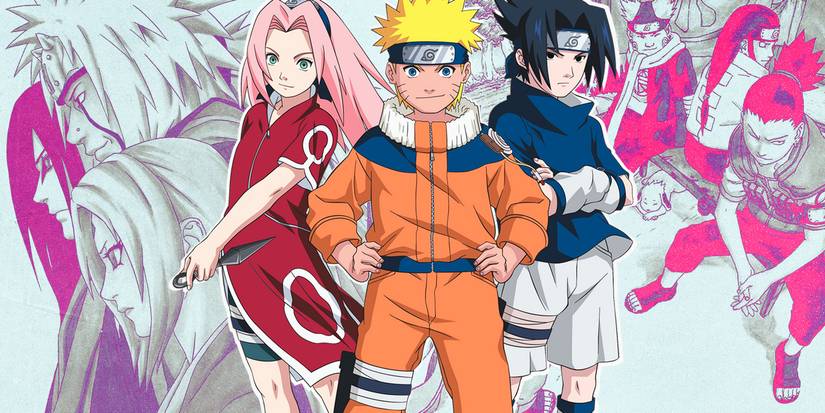
Naruto follows the story of Naruto Uzumaki, a young ninja who dreams of becoming Hokage, the leader of his village. The series became internationally famous because of its emotional storytelling, large cast of characters, detailed ninja world, and themes of friendship, rivalry, loneliness, perseverance, and personal growth.
For many readers, Naruto is not only an action manga. It is also a coming-of-age story about identity, acceptance, and the desire to be recognized by others.
Who is Masashi Kishimoto?
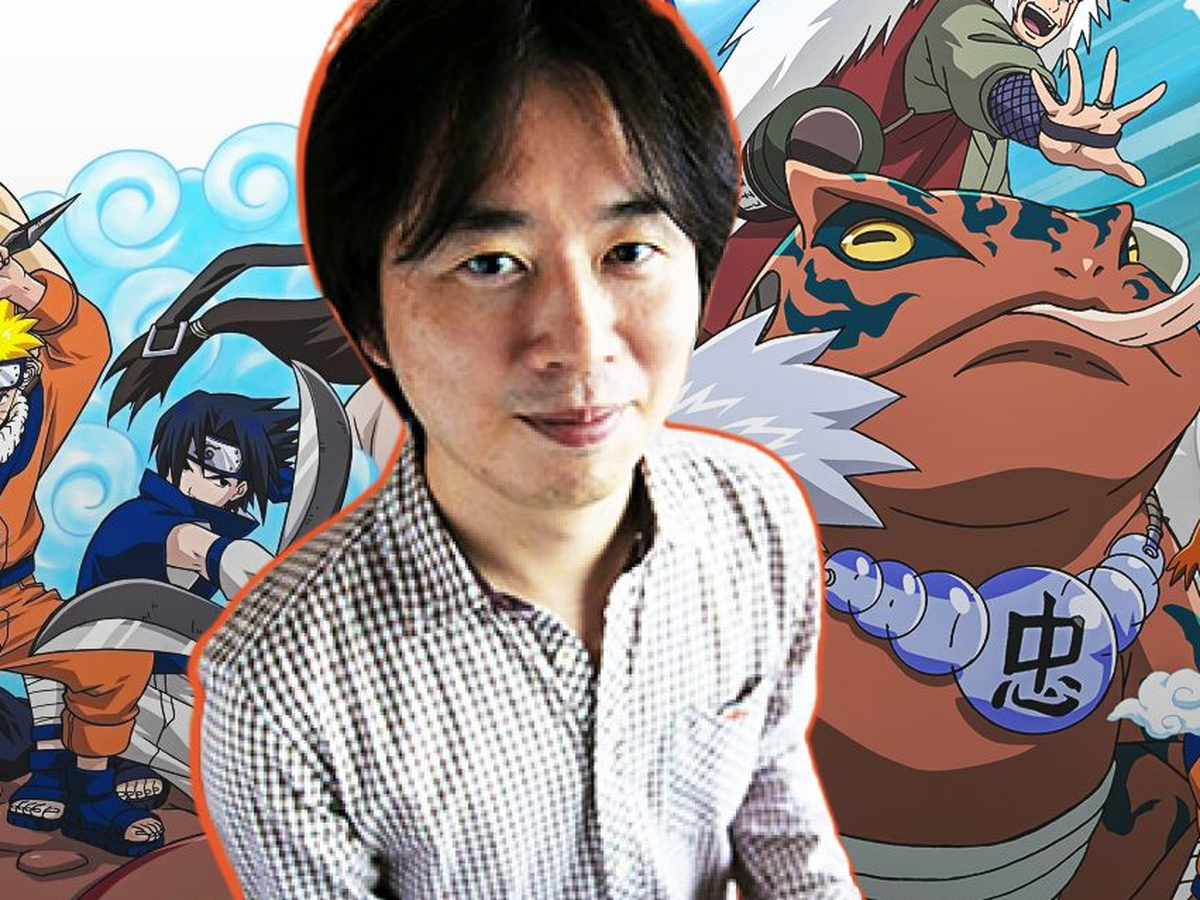
Masashi Kishimoto is a Japanese manga artist best known for creating Naruto. He was born in 1974 in Okayama Prefecture, Japan. His name is strongly associated with the Naruto franchise because he created both the story and the artwork for the original manga.
Kishimoto developed an early interest in drawing and manga. His creative style combines action, humor, emotional conflict, and long-term character development. These elements helped Naruto reach readers far beyond Japan and become a major global manga and anime franchise.
The success of Naruto made Masashi Kishimoto one of the most recognized manga creators of his generation.
When was Naruto created?
Naruto became widely known through its serialization in Weekly Shonen Jump, published by Shueisha. The official Naruto website identifies Naruto as a manga series created by Masashi Kishimoto.
Official copyright notices for the franchise also commonly refer to Masashi Kishimoto and Shueisha. This connection is important because it shows that Naruto is not only a creative work by an individual author, but also a valuable intellectual property managed through publishing, licensing, anime production, and merchandise channels.
For readers interested in how creative works are protected, Trần & Trần provides related information on copyright services in Vietnam.
Did Masashi Kishimoto write and draw Naruto?
Yes. Masashi Kishimoto wrote and drew Naruto. The original Naruto manga is widely credited to him as both the story creator and artist.
This is significant because not every manga has the same person responsible for both writing and drawing. Some manga projects have a separate writer and illustrator. In the case of Naruto, Kishimoto is closely associated with the full creative identity of the original manga.
His creative role included developing the plot, characters, visual style, action scenes, emotional arcs, and the fictional ninja world that became central to the Naruto franchise.
Is Masashi Kishimoto also involved in Boruto?
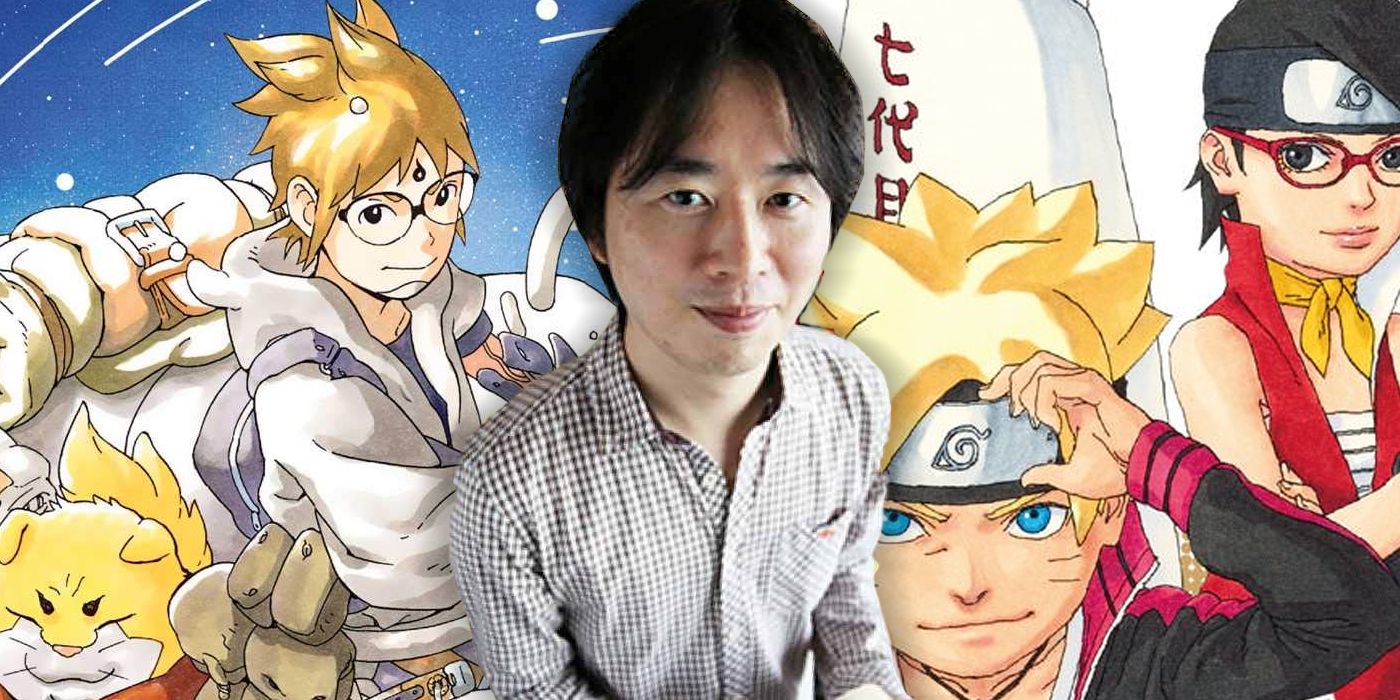
Masashi Kishimoto is closely connected to the Naruto universe after the original manga. However, Boruto has involved more than one creator depending on the specific work and publication period.
A simple way to understand the relationship is this: Masashi Kishimoto created Naruto and remains a central figure in the Naruto franchise, while Boruto also involves other creators such as Mikio Ikemoto and Ukyo Kodachi.
For readers, it is important to distinguish between the creator of the original Naruto manga and the broader creative team involved in later works, spin-offs, anime adaptations, films, and related media.
Why is Masashi Kishimoto famous?
Masashi Kishimoto is famous because Naruto became one of the most influential manga and anime franchises worldwide. The series reached audiences in many countries because it combined action, emotional depth, memorable character relationships, and a long-running fictional universe.
Several elements helped Naruto become iconic:
- Naruto Uzumaki’s journey from an isolated child to a respected ninja;
- the rivalry and friendship between Naruto and Sasuke;
- the mentor role of Kakashi;
- the world of ninja villages, clans, jutsu, tailed beasts, and Hokage;
- emotional themes such as loss, revenge, forgiveness, family, and personal growth.
Kishimoto’s ability to build characters with strong emotional motivations made Naruto more than a typical action series. Many fans connected with the story because the characters struggled with loneliness, failure, ambition, friendship, and the need for recognition.
Is Naruto protected by copyright?
Yes. Naruto is protected by copyright and other intellectual property rights. A manga and anime franchise like Naruto may involve several protected elements, including the original manga artwork, character designs, storylines, anime footage, logos, names, promotional materials, and licensed merchandise.
From an intellectual property perspective, Naruto is a useful example of how manga and anime franchises can be protected and commercially exploited. Protection may apply to:
- manga artwork;
- character designs;
- storylines and scripts;
- anime footage;
- logos and names;
- promotional materials;
- licensed merchandise;
- derivative works and adaptations.
Copyright generally protects original creative expression. In Naruto, this may include the specific drawings, scenes, character designs, dialogues, and other creative elements created for the manga and related works.
For businesses and creators who want to understand how protection applies to creative works, Trần & Trần provides guidance on copyright registration service and copyright registration procedure for works.
Author, publisher, copyright owner, and licensing party: key differences
When discussing Naruto, readers should distinguish between the creator of the manga, the publisher, the copyright owner, and the licensing party. These roles may overlap in some cases, but they are not always the same.
| Role | Meaning | Naruto-related context |
| Author / Creator | The person who created the original work | Masashi Kishimoto created and illustrated Naruto |
| Publisher | The company that publishes and distributes the manga | Shueisha is closely connected to the original Naruto manga publication |
| Copyright owner | The person or entity holding copyright in the work | Official notices commonly refer to Masashi Kishimoto/Shueisha |
| Licensing party | The party that may authorize certain uses in specific markets or media | Licensing may differ depending on manga, anime, games, merchandise, territory, and use case |
This distinction matters because knowing who created Naruto is different from knowing who can authorize commercial use of Naruto-related content. Businesses should not rely only on the creator’s name when planning to use manga or anime characters in products, advertising, games, packaging, or digital campaigns.
Can businesses use Naruto images or characters?
Businesses should be careful before using Naruto images, characters, logos, names, or other recognizable elements. Finding an image online does not mean it is free to use.
Commercial use of Naruto-related content may create legal risks, especially in products, advertising, merchandise, games, apps, packaging, websites, social media campaigns, or monetized videos. Even fan-made drawings or “inspired by Naruto” designs can raise issues if they copy recognizable character features or suggest an official connection.
A business should review:
- whether the content includes protected artwork or character design;
- whether the use is commercial;
- whether the use may create confusion with an official Naruto product;
- whether a license is required;
- whether copyright, trademark, or both may be involved.
This distinction is important because copyright and trademark protect different interests. Businesses may refer to Trần & Trần’s article on copyright and trademark differences and its trademark services in Vietnam for related guidance.
If unauthorized Naruto content is used online, platform takedowns, infringement notices, or legal claims may arise. For online infringement issues, readers can review Trần & Trần’s article on copyright infringement on the internet.
If your business plans to use manga or anime-inspired characters in products, packaging, advertising, games, or digital content, an IP review should be conducted before launch. Trần & Trần can assist with copyright review, trademark clearance, licensing risk assessment, and infringement handling. Contact us at 0917 913 266 or [email protected] for case-specific advice.
Naruto as an example of manga and anime intellectual property
Naruto shows how a creative work can become a larger intellectual property ecosystem. A manga series may later expand into anime, films, games, toys, apparel, collaborations, digital products, and international licensing programs.
For businesses, this is why manga and anime content should not be treated as simple online images. A famous character may involve different layers of protection, including copyright, trademark, licensing rights, merchandising rights, and contractual rights.
This issue is especially important for companies in e-commerce, advertising, entertainment, publishing, game development, fashion, education, and digital content.
Businesses operating across several countries should also consider cross-border IP risks. Trần & Trần provides broader information through its IP practice areas and regional resources such as Copyright Related Matters in Myanmar.
How Trần & Trần can assist
Using famous manga or anime content in business can create legal exposure if copyright and trademark issues are not reviewed carefully. Even content described as fan art, parody, inspiration, or tribute may still create risk if it uses protected creative expression or causes confusion about official authorization.
Trần & Trần can assist creators, publishers, studios, agencies, e-commerce sellers, and businesses with copyright review, trademark clearance, IP risk assessment, licensing strategy, copyright registration, contract review, and infringement handling.
For case-specific advice, contact Trần & Trần at 0917 913 266 or [email protected]. Our office is located at P802, Talico Building, No. 22 Ho Giam Street, Quoc Tu Giam Ward, Dong Da District, Hanoi.
FAQ about the author of Naruto
Who is the author of Naruto?
The author of Naruto is Masashi Kishimoto, a Japanese manga artist who wrote and illustrated the original Naruto manga.
Who created Naruto?
Naruto was created by Masashi Kishimoto. The series was serialized in Weekly Shonen Jump and later became a major anime and media franchise.
Did Masashi Kishimoto write and draw Naruto?
Yes. Masashi Kishimoto is credited with both the story and art of Naruto.
When was Masashi Kishimoto born?
Masashi Kishimoto was born in 1974 in Okayama Prefecture, Japan.
Is Masashi Kishimoto the creator of Boruto?
Masashi Kishimoto is the creator of Naruto and remains connected to the Naruto universe. Boruto also involves other creators, including Mikio Ikemoto and Ukyo Kodachi, depending on the specific work and publication period.
Is Naruto protected by copyright?
Yes. Naruto is protected by copyright and other intellectual property rights. Protected elements may include manga artwork, character designs, storylines, anime content, names, logos, and licensed merchandise.
Can I use Naruto characters for my business?
Using Naruto characters, images, names, or logos for business purposes may create copyright and trademark risks. A legal review should be conducted before using Naruto-related content commercially.
Can I sell Naruto fan art?
Selling Naruto fan art can be risky if it uses recognizable protected characters, names, logos, or designs without permission. Commercial use usually carries higher legal risk.
