


Securing your creative assets is vital in today’s highly competitive global marketplace. Executing a formal industrial design registration shields your product’s visual aesthetic from unauthorized copying. Exclusive rights give your business a significant advantage over market competitors. Protecting your visual branding helps build long-term corporate value and customer loyalty. Let us explore the complete process to secure your design rights efficiently.
Preparing a solid application requires great precision and thorough legal understanding. You must prepare clean drawings or high-resolution photographs of the product. The written description must highlight every novel visual feature of your creation. For professional legal assistance, explore our comprehensive legal consultancy services online. Proper preparation ensures your file passes initial formal examination without delays.
1. What Is Industrial Design Registration?
Industrial design registration establishes legal ownership over the aesthetic aspects of a product. These features include three-dimensional shapes, two-dimensional lines, distinct contours, or unique colors. The primary goal is protecting the ornamental appearance rather than technical function. Registration grants exclusive commercial rights, preventing unauthorized manufacturing or distribution by competitors. Owners gain full legal control to commercialize or license their designs safely.
Filing for protection serves as a strong shield against intellectual property infringement. Without proper registration, competitors can easily copy your successful visual designs. Unlawful copying harms your market revenue and dilutes your brand identity rapidly. Submitting your filing early establishes strong legal priority over your competitors. You can review the complete design registration process to understand each crucial step.
Exclusive design rights are officially granted once the government issues a patent certificate. Intellectual property offices perform rigorous examinations against established legal standards worldwide. Your design must demonstrate global novelty, individual character, and industrial applicability. Holding a design patent increases the overall valuation of your business enterprise. It transforms creative ideas into valuable intangible corporate assets for long-term growth.
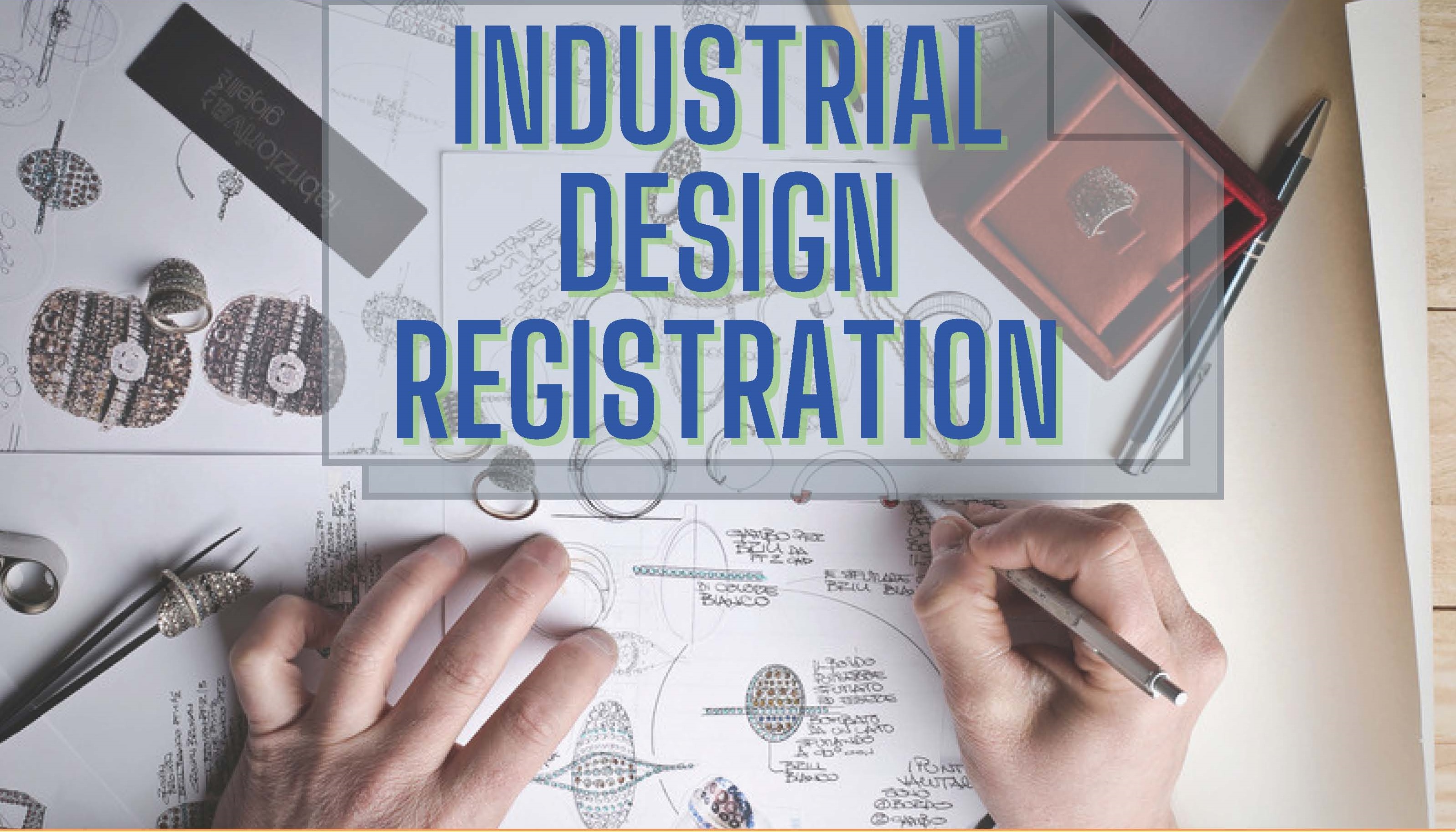
2. Key Benefits of Protecting Your Industrial Design
Obtaining an industrial design patent provides complete legal control over your creation. You hold exclusive authority to use, sell, import, or license the design. No third party can legally commercialize your design without explicit written consent. If infringement occurs, you can take immediate enforcement action through official courts. Learn more about protecting your assets by visiting the Trần Tran Law homepage today.
A unique, legally protected design sets your products apart from market rivals. Customers can easily identify your authentic brand among crowded store shelves nationwide. Distinct visual identity elevates consumer trust and boosts perceived product value substantially. Design protection also strengthens your promotional marketing campaigns across various commercial channels. Protected brands attract foreign investors and expand international market share much faster.
Design patents function as valuable commercial assets on corporate balance sheets worldwide. Businesses can grant usage licenses to third parties in exchange for royalties. Furthermore, design rights can serve as collateral for securing business financing opportunities. We recommend pairing design protection with full trademark registration for total IP coverage. Combining these protections builds maximum legal defense against aggressive market competitors.
3. Legal Requirements for Design Protection
To qualify for legal protection, an industrial design must possess absolute global novelty. This means the design was not disclosed publicly anywhere before the filing date. Public disclosure includes commercial sales, published literature, or public trade exhibition displays. Businesses must maintain strict confidentiality prior to completing their official patent filings. Premature public exposure destroys novelty and invalidates your chances of receiving protection.
The second condition requires the design to exhibit a clear degree of creativity. The visual appearance cannot be obvious to a person skilled in the art. It must reflect original creative thought and genuine artistic investment by authors. Generic geometric shapes or functional technical features are strictly excluded from protection. Conducting a professional prior art search is essential before filing formal documents.
Finally, the industrial design must be capable of industrial or handicraft application. The design must serve as a scalable pattern for mass manufacturing identical items. This requirement ensures that protected designs actively support real-world commercial trade. You should also check the statutory design protection term to plan effectively. Clear timeline planning allows optimized resource allocation across your product’s lifespan.
[Step 1: Search & Evaluation]
│
▼
[Step 2: Prepare Application File]
│
▼
[Step 3: Submit to IP Office]
│
▼
[Step 4: Formality Examination (1-2 mos)]
│
▼
[Step 5: Application Publication (Month 19)]
│
▼
[Step 6: Substantive Examination (7-8 mos)]
│
▼
[Step 7: Grant of Design Patent]
4. Step-by-Step Registration Process
| Examination Phase | Estimated Timeline | Main Objective |
| Formality Examination | 01 – 02 Months | Verify application completeness, fee payments, and formal details. |
| Publication | Month 19 | Publish application details in the Official IP Gazette. |
| Substantive Examination | 07 – 08 Months | Assess novelty, creativity, and industrial applicability. |
| Patent Grant | 01 – 02 Months | Pay registration fees and receive the official patent certificate. |
Step 1: Prior Art Search and Evaluation
Before filing, businesses should conduct a thorough prior art search globally. Searching determines whether your visual design conflicts with pre-existing registered designs. IP specialists analyze international databases to evaluate your registration success probability. Identifying potential conflicts early prevents wasted time and unnecessary legal expenses.
Step 2: Drafting the Application Package
Preparing a patent dossier requires absolute precision and strict adherence to regulations. The application form must accurately detail all applicant and designer information clearly. High-resolution drawings or photographs must illustrate every perspective view of the product. Written descriptions must follow precise legal standards governing intellectual property documents. Discover expert guidance on preparing documents at Trần Tran Law now.
Step 3: Application Submission and Formality Review
Once prepared, the dossier is submitted directly to the national Intellectual Property Office. Examiners conduct a formality examination lasting between one and two months. This phase verifies document completeness, classification accuracy, and payment of statutory fees. If compliant, the office issues an official notice accepting the valid application. Otherwise, applicants receive requests to correct identified procedural or technical deficiencies.
Step 4: Publication of the Valid Application
Valid applications are published in the Official Gazette of Intellectual Property. Publication generally occurs around the nineteenth month from the priority date. Public disclosure allows third parties to review the pending design rights claims. Competitors may submit formal opposition statements if they claim pre-existing rights. Monitoring publication updates is vital for defending your pending legal claims.
Step 5: Substantive Examination and Certificate Issuance
Substantive examination evaluates whether your design meets all legal protection criteria fully. This detailed examination phase typically requires seven to eight months after publication. Patent examiners compare your design against global prior art records meticulously. Upon passing, the office issues a notice to grant the design patent. Applicants pay required registration fees to receive their official patent certificate.
5. Essential Documents Required for Filing
Completing an industrial design registration requires accurate legal documentation without exception. First, applicants must submit the official application form with accurate data entries. This document contains critical details regarding the applicant, designer, and product classification. Applicants must provide a concise design title and identify relevant international classes. Minor clerical mistakes can delay the official filing date significantly.
The set of drawings or photographs represents the most critical filing component. Images must clearly display all orthographic views of the physical product. Standard views include perspective, front, rear, left, right, top, and bottom. All drawings must maintain consistent scales and sharp visual clarity throughout. Visual representations strictly define the exact legal scope of your patent protection.
The written description must explain every unique aesthetic feature of the design clearly. This document includes a brief introduction, figure descriptions, and detailed feature breakdowns. Applicants must highlight key aesthetic characteristics distinguishing the item from existing designs. Read our article on handling design infringement to learn more. A clearly drafted description makes enforcing rights against infringers much easier later.
Additionally, applications require a signed Power of Attorney if using legal representatives. Official fee payment receipts must accompany the initial filing documents without exception. Priority documents must be submitted if claiming priority rights under international treaties. Documents written in foreign languages require certified translations into the national language. Proper document preparation guarantees a smooth examination process from start to finish.

6. Common Pitfalls to Avoid During Registration
A frequent mistake is accidentally destroying design novelty before submitting the filing. Many creators post product images on social media before securing filing dates. Publicly releasing products online renders the design part of the public domain. Consequently, patent examiners will reject the application due to lack of novelty. Always secure an official filing date prior to launching products publicly.
Another common issue involves poor quality drawings or product photographs in filings. Blurred photographs, improper shadows, or missing angles lead to official rejection notices. Inconsistent proportions between different drawing perspectives also cause significant examination delays. Applicants must then spend extra time and money submitting corrected visual sets. Working with experienced legal professionals prevents these technical mistakes entirely.
Many business owners confuse industrial design protection with trademark registration rights. Industrial design patents cover the aesthetic, ornamental appearance of physical products. Trademarks protect brand logos, names, and slogans identifying commercial business sources. Businesses should secure both legal protections to safeguard their brand assets completely. Explore specialized articles on Trần Tran Law to clarify these concepts.
7. How to Register Industrial Designs Internationally
Expanding businesses into overseas markets requires securing international design rights proactively. Applicants can choose between two main routes for international design protection. The first option involves filing individual applications directly with target country offices. This route works well when targeting only one or two foreign jurisdictions. However, managing separate filings increases translation costs and local attorney fees.
A more efficient alternative is using the Hague System for international registration. This international treaty allows applicants to file a single application covering multiple regions. Businesses save significant administrative costs and streamline foreign portfolio management effortlessly. Applications can be submitted in English, French, or Spanish conveniently. Learn more by visiting the official WIPO Hague System portal today.
Navigating foreign intellectual property legal systems requires specialized legal expertise and care. National patent laws often apply varying standards regarding novelty and visual representation. Applicants should leverage priority rights within six months of their initial filing. Claiming priority preserves your original filing date across all designated international jurisdictions. Establishing a proactive global IP strategy protects your investments worldwide against counterfeiting.
8. Why You Should Engage Professional IP Services
Filing for industrial design protection demands exact legal compliance and technical accuracy. Attempting self-filing often exposes businesses to procedural errors and application rejections. Professional IP attorneys possess deep expertise to evaluate registration success probabilities early. Experienced lawyers help structure filings to achieve maximum legal protection coverage possible. Partnering with specialists saves valuable time and prevents costly legal mistakes.
Certified patent agents handle drafting complex descriptions and preparing compliant drawing sets. They optimize your legal claims to establish broad legal boundaries against copycats. Throughout the prosecution process, attorneys handle examiner inquiries and official notifications promptly. If third parties oppose your application, legal specialists represent your interests effectively. Consult our specialized legal consultancy services for complete legal management.
Engaging dedicated professionals allows business leaders to focus fully on core operations. You avoid wasting time decoding complex legal statutes and administrative prosecution steps. Professional firms provide transparent updates regarding application status and publication deadlines regularly. Furthermore, attorneys manage post-grant patent renewals to maintain continuous legal protection. Professional guidance ensures maximum return on your corporate intellectual property investments.
Frequently Asked Questions (FAQ)
1. How long does industrial design protection last?
Industrial design patents generally last five years from the official filing date. Patent owners can renew protection for consecutive terms up to fifteen years maximum.
2. Can I amend my design application after filing?
Applicants may request minor amendments before official registration decisions are finalized. However, amendments cannot expand the scope of protection beyond original disclosures.
3. What are the total costs involved in design registration?
Costs include official government filing fees, examination charges, and legal service fees. Total expenses vary based on design complexity, variants, and target jurisdictions.
Conclusion
Securing an industrial design registration is a fundamental investment for protecting business innovation. Exclusive design rights create a strong legal barrier preventing market competitors from copying your products. Businesses should integrate design protection strategies early during product development phases. Proper legal preparation guarantees long-term commercial success and protects corporate brand reputation. Contact experienced intellectual property attorneys today to safeguard your valuable design assets globally.
