


International trademark registration is essential when a business plans to sell, manufacture, distribute, franchise, or promote its brand across multiple countries. A strong brand name may work well in one market, but without a filing strategy, another party may register it first in a key territory, block marketplace listings, or create legal pressure during expansion.
There is no single trademark registration that automatically protects a brand in every country. Businesses usually protect trademarks internationally through the Madrid System or by filing directly with national or regional trademark offices. The right route depends on target markets, budget, risk level, business model, and how the brand will be used.
This guide by Tran & Tran explains how international trademark registration works, when to use the Madrid System, when direct national filing may be better, what costs to expect, and how businesses can build a practical trademark protection strategy before entering global markets.
What is international trademark registration?
International trademark registration refers to the process of seeking trademark protection in more than one country or territory. It allows a business to protect its brand name, logo, slogan, product name, or other distinctive sign in the markets where it operates or plans to expand.
A trademark is not automatically protected worldwide simply because it is used online, registered in one country, or displayed on packaging. Trademark rights are generally territorial. This means a registration in one jurisdiction usually protects the mark only within that jurisdiction.
Businesses usually pursue international protection in two main ways. The first is through the Madrid System, administered by the World Intellectual Property Organization. The second is by filing directly with each national or regional trademark office.
The Madrid System allows applicants to file one international application, in one language, and pay one set of fees to seek protection in multiple member countries. WIPO describes it as a centralized system for registering and managing trademarks across the countries covered by the Madrid System.
For businesses still building their brand identity, it is useful to first understand what a trademark is and why registration matters before deciding whether to file locally, regionally, or internationally.
Why international trademark registration matters
A business expanding overseas often invests heavily in product development, packaging, websites, distributors, advertising, and marketplace stores. Without trademark protection in the right markets, those investments can be exposed to preventable legal and commercial risks.
The most common risk is losing priority. In many jurisdictions, the first party to file a trademark application may gain a stronger legal position than the party that used the brand elsewhere. This is why businesses entering new markets should understand the first-to-file principle in trademark registration.
International registration also helps reduce the risk of trademark squatting. A distributor, competitor, former partner, or bad-faith applicant may register the brand before the real owner enters the market. Once that happens, the business may need to oppose the application, cancel the registration, negotiate a buyback, or rebrand.
For e-commerce brands, trademark protection is also connected to marketplace enforcement. Platforms may request proof of trademark ownership before accepting complaints against copycat listings, counterfeit goods, or unauthorized sellers. A pending application may help in some cases, but a granted registration usually provides a stronger enforcement position.
Is there such a thing as a worldwide trademark?
No. A “worldwide trademark” is a common misconception.
The Madrid System does not create one automatic global trademark right. It provides a centralized filing and management route that allows a trademark owner to seek protection in multiple designated countries or regions through one international application.
Each designated jurisdiction may still examine the application under its own trademark laws. A mark may be accepted in one country but refused in another. For example, a brand name may be distinctive in one language but descriptive, misleading, or conflicting with an earlier mark in another market.
WIPO states that Madrid System members may have different trademark laws and procedures, so applicants should check the specific requirements of target markets.
This is why international trademark registration should be treated as a filing strategy, not a single formality. The key question is not only “How many countries can be selected?” but “Which countries should be selected first, and how should the application be structured?”

Madrid System trademark registration explained
The Madrid System is often the first option businesses consider when they want to protect a brand in multiple countries.
Through this system, a trademark owner may file one international application through the office of origin, select the member countries or regions where protection is sought, and manage later changes through a centralized system. WIPO explains that applicants can file in one language, English, French, or Spanish, and pay one set of fees in Swiss francs.
However, the Madrid route usually requires a basic mark. This means the applicant must first have a national or regional trademark application or registration with the office of origin before filing the international application. WIPO notes that an international application through the Madrid System is based on a national or regional trademark application or registration.
This requirement is important. If the basic application is too narrow, weak, or vulnerable, the international strategy may also be affected. The brand owner should therefore review the mark, owner details, goods and services, and priority markets before filing.
For businesses that need a broader service process before filing, trademark registration services usually include brand assessment, search, classification, application preparation, filing, and examination monitoring.
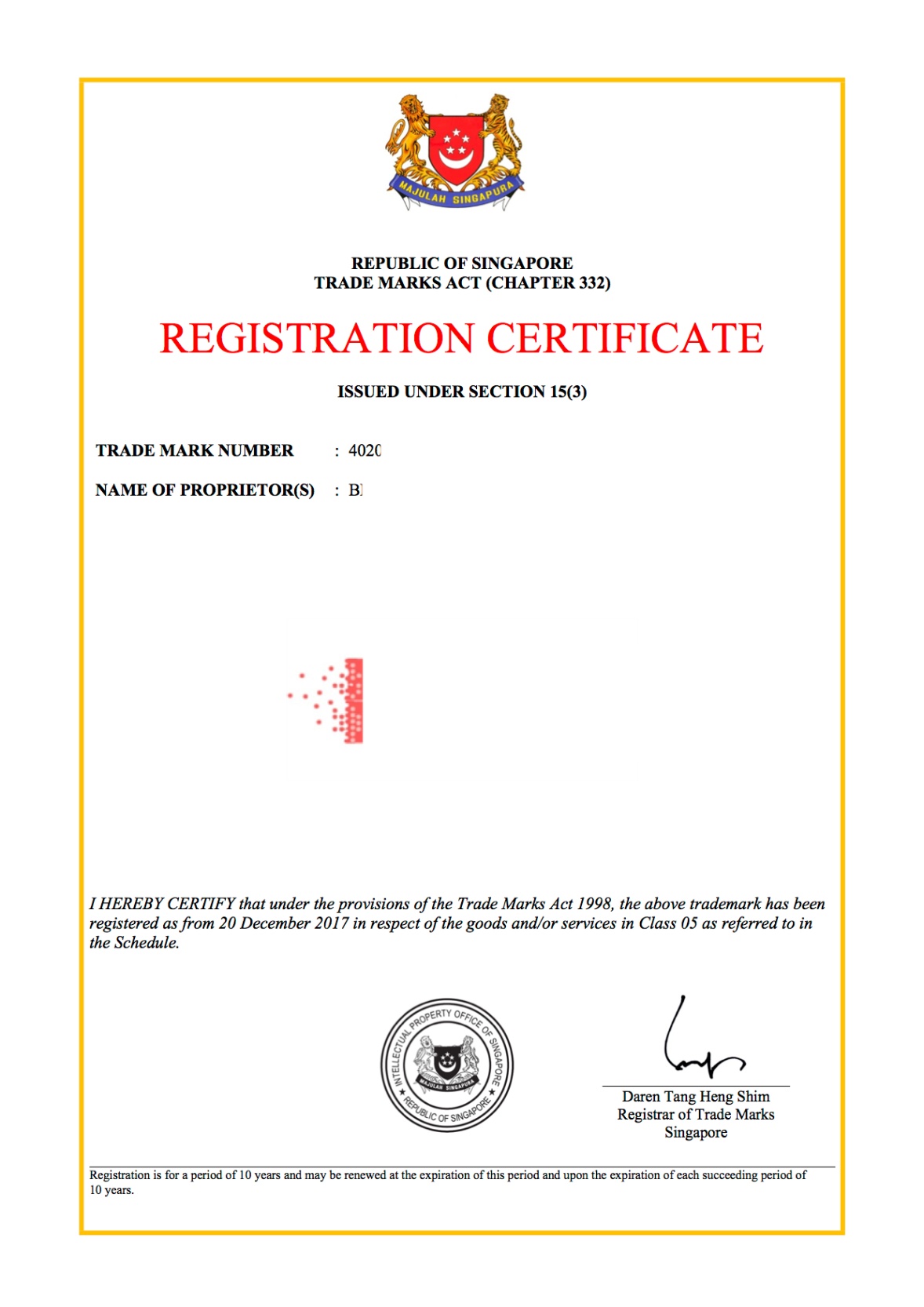
Madrid System vs direct national filing
The Madrid System is convenient, but it is not always the best route for every brand.
When the Madrid System may be suitable
The Madrid route is often suitable when a business wants to protect the same mark in several Madrid member countries at the same time. It can reduce administrative complexity because the applicant files one international application and manages later renewals or changes centrally.
It may also be efficient when the trademark is relatively distinctive, the goods and services are clearly defined, and the applicant has a strong basic application or registration.
For businesses expanding across multiple markets gradually, the Madrid System may also allow later designation of additional countries, depending on the commercial strategy and applicable rules.
When direct national filing may be better
Direct national filing may be more suitable when the business targets only one or two important countries, especially if those markets require local strategy, tailored goods and services, or early advice from a local trademark attorney.
It may also be preferable where the mark is likely to face objections, where the product category is highly regulated, or where the applicant wants to avoid dependence on a basic mark during the early period of international registration.
A direct filing route can also be useful when the target country is not covered by the Madrid System, or when local enforcement, customs recordal, or marketplace disputes make national-level support more important.
International trademark registration process
The process should begin before the brand is launched internationally. Filing after distributors are appointed, products are shipped, or marketplace stores go live can create unnecessary exposure.
A practical international trademark registration process usually includes the following stages.
First, the business should identify the mark to be protected. A word mark usually provides broader flexibility than a logo because it protects the wording regardless of font, color, or visual redesign. A logo may still be important where the visual identity is distinctive.
Second, the business should conduct a trademark search. This should not be limited to identical names. It should assess similar marks, pronunciation, meaning, translation, visual similarity, and related goods or services. A search helps identify whether the mark is available and whether changes are needed before filing.
Businesses can also review the general principles of trademark registration procedures to understand why owner details, classifications, and filing scope matter before submission.
Third, the applicant should select target countries. The list should reflect where products will be sold, manufactured, distributed, franchised, promoted, or licensed. It should also include markets where infringement or bad-faith filings are likely.
Fourth, the goods and services must be drafted carefully. Trademark protection is not unlimited. It is tied to the classes and specific items listed in the application. A poor specification may leave the business protected on paper but exposed in its real commercial activities.
Fifth, the applicant chooses the filing route. This may be the Madrid System, direct national filing, regional filing, or a combination of these routes.
Finally, the application must be monitored. International filing does not end when the application is submitted. Each designated country may examine the mark, issue a provisional refusal, request clarification, or receive third-party opposition.
How to choose countries for trademark protection
A business does not need to file in every country immediately. The better approach is to prioritize markets based on commercial value and risk.
The first priority is usually the country where the business is already selling or preparing to sell. This includes online sales, retail distribution, franchise expansion, and B2B supply.
The second priority is the country of manufacture. Many trademark disputes arise not only in consumer markets but also where products are produced, packaged, stored, or exported.
The third priority is markets where distributors, agents, or partners operate. A reliable partner can help a brand grow, but a poorly managed relationship may create risks if the trademark is not owned by the original brand owner.
The fourth priority is major e-commerce and marketplace territories. If a brand depends on Amazon, Alibaba, Shopee, TikTok Shop, or other platforms, trademark protection in relevant jurisdictions may support takedowns, brand registry applications, and anti-counterfeiting measures.
The fifth priority is markets planned for investment, licensing, or franchising. Investors and franchisees often expect the brand owner to have a clear trademark portfolio before entering commercial negotiations.
How much does international trademark registration cost?
There is no fixed universal cost for international trademark registration.
The total cost depends on the number of countries, number of classes, filing route, official fees, professional fees, translation requirements, local attorney involvement, and the likelihood of objections.
Under the Madrid System, WIPO provides an international fee structure and online fee tools, but the final amount varies depending on the designated countries and the number of classes. WIPO states that Madrid applications involve fees paid in Swiss francs, and applicants can use Madrid online services to handle fee-related matters.
Direct national filing may involve separate official fees and local representative fees in each country. This can be more expensive administratively, but it may offer a more tailored strategy in high-risk or high-value markets.
Businesses should also budget for trademark searches, responses to office actions, provisional refusals, oppositions, translations, renewals, assignments, and portfolio management. Filing fees are only one part of the total cost of global brand protection.
A useful cost strategy is to divide markets into phases. The business may file first in core sales and manufacturing countries, then expand to secondary markets once revenue, partnerships, or funding justify the next stage.
Common mistakes in international trademark registration
One common mistake is assuming that a local registration automatically protects the brand worldwide. It does not. A registration in one country generally does not prevent someone from filing in another country.
Another mistake is filing only the logo while ignoring the word mark. If the logo is redesigned later, the old registration may no longer match the current brand identity. For many businesses, the word mark should be considered first.
A third mistake is choosing too many countries without a real commercial plan. This can increase cost without improving protection where it matters most. International filing should be tied to sales, production, distribution, licensing, and enforcement priorities.
A fourth mistake is failing to conduct a clearance search. Even if the business owns the domain name or social media handle, an earlier trademark in the target market can still create serious legal risk.
A fifth mistake is using vague or incorrect goods and services. Trademark offices may object to unclear terms, and competitors may exploit gaps in the specification.
Finally, many businesses wait until a dispute appears. By then, the brand owner may need to respond to a bad-faith application, marketplace complaint, customs issue, or cease-and-desist letter. Preventive filing is usually more efficient than crisis management.
International trademark search before filing
A trademark search is one of the most important steps before international filing.
A good search should cover identical marks, similar marks, spelling variations, phonetic similarity, translations, transliterations, logo elements, and related business sectors. It should also consider whether the same mark has a different meaning in another language.
The search strategy should match the filing route. If the business plans to use the Madrid System, it should search the basic mark and the intended designated countries. If the business plans direct national filing, searches should be conducted in each high-priority country.
Search results should not be treated as a guarantee of registration. They are a risk assessment tool. The final decision still depends on the trademark office, local law, third-party rights, and the quality of the application.
For brand owners preparing to file, a trademark clearance search should be linked to business priorities rather than treated as a simple database check.
What happens if one country refuses the trademark?
A refusal in one designated country does not necessarily mean the entire international strategy fails.
Under the Madrid System, each designated office examines the application according to its own law. A country may issue a provisional refusal if it finds that the mark is descriptive, non-distinctive, misleading, conflicting with earlier rights, or otherwise not registrable.
The applicant must usually respond through the required local procedure. In many cases, this requires a local attorney in that jurisdiction.
The response may involve legal arguments, amendments to the goods and services, limitations, evidence of acquired distinctiveness, consent agreements, or negotiations with earlier right holders.
This is why businesses should not treat international filing as a purely administrative process. The filing phase and the prosecution phase should both be planned in advance.
International trademark portfolio management
Once trademarks are filed or registered internationally, they must be managed as a portfolio.
A growing business may need to record changes in owner name, address, assignments, licenses, mergers, or corporate restructuring. It may also need to renew registrations, monitor similar filings, and take action against unauthorized use.
Trademark ownership should align with the business structure. Some groups keep trademarks under an operating company. Others hold trademarks in a parent company or IP holding company. The right structure depends on tax, investment, licensing, franchising, and risk management considerations.
When a trademark is transferred, the transaction should be documented properly. Businesses can review the difference between ownership transfer and permission to use a mark in trademark assignment procedures.
If a business allows distributors, franchisees, manufacturers, or partners to use the mark, it should also define the scope of use clearly. A well-drafted trademark licensing agreement should address territory, products, quality control, exclusivity, duration, and termination.
Do you need an international trademark lawyer?
A business can file some trademark applications on its own, especially where the mark is simple, the country list is limited, and there are no known conflicts.
However, professional support is often valuable when the brand is commercially important, multiple countries are involved, the goods and services are complex, or the applicant expects licensing, franchising, investment, or enforcement.
An international trademark lawyer or IP representative can help assess filing routes, select countries, draft specifications, coordinate local attorneys, respond to refusals, manage deadlines, and maintain the portfolio.
Legal support is especially important when there are earlier marks, bad-faith filings, counterfeiting risks, marketplace disputes, or cross-border distribution issues.
The goal is not simply to file more applications. The goal is to protect the right mark, in the right countries, for the right goods and services, under a structure that supports the business model.
International trademark registration services at Tran & Tran
Tran & Tran supports businesses in protecting, managing, and exploiting intellectual property rights across Vietnam and other Asian jurisdictions. The firm’s work covers trademarks, patents, industrial designs, copyright, trade secrets, enforcement, licensing, and portfolio strategy.
For international trademark registration, the support may include trademark search, registrability assessment, filing-route analysis, Madrid System strategy, direct national filing coordination, country selection, goods and services classification, application monitoring, and response coordination when refusals arise.
For businesses entering Vietnam or Southeast Asia, Tran & Tran can also assist with local filing strategy, industrial property procedures, and coordination with relevant authorities. Businesses that need to understand local IP office procedures may refer to how to file an application with the Intellectual Property Office.
For companies with wider portfolios, the service can also extend to trademark licensing, assignment, renewal monitoring, evidence review, infringement assessment, and enforcement planning.
Conclusion
International trademark registration is not just an administrative filing. It is a strategic decision that determines where a brand can grow, how it can be licensed, how it can be enforced, and how confidently a business can enter new markets.
There is no automatic worldwide trademark. Businesses must choose between the Madrid System, direct national filing, regional filing, or a combined strategy. Each route has advantages, limitations, costs, and procedural risks.
The best approach begins with a clear understanding of the brand, target markets, goods and services, commercial timeline, and enforcement priorities. A carefully planned filing strategy can reduce the risk of bad-faith registrations, marketplace disputes, distributor conflicts, and expensive rebranding.
For businesses planning global expansion, trademark protection should begin before products are launched, partners are appointed, or marketing budgets are committed.
FAQ about international trademark registration
What is international trademark registration?
International trademark registration is the process of seeking trademark protection in multiple countries or territories. It may be done through the Madrid System, direct national filings, regional filings, or a combination of these routes.
Can I register a trademark worldwide?
No single trademark registration automatically protects a mark worldwide. The Madrid System allows centralized filing for multiple member countries, but each designated jurisdiction may still examine the application under its own law.
How does the Madrid System work?
The Madrid System allows applicants to file one international trademark application, in one language, and pay one set of fees to seek protection in selected member countries. The application is usually based on a national or regional basic application or registration.
Do I need a basic trademark application first?
For the Madrid System, the applicant generally needs a basic national or regional trademark application or registration filed with the office of origin. This basic mark forms the foundation of the international application.
How much does international trademark registration cost?
The cost depends on the number of countries, number of classes, filing route, official fees, professional fees, search scope, and whether objections or refusals arise.
How long does international trademark registration take?
The timeline varies by filing route and country. Under the Madrid System, WIPO performs formal processing, but each designated office examines the application according to its national or regional laws.
Can my trademark be refused in one country but accepted in another?
Yes. Each country or region may apply its own legal standards. A mark may be accepted in some jurisdictions and refused in others.
Should I file through Madrid or directly in each country?
The Madrid System may be efficient for multiple member countries. Direct filing may be better for a few high-value markets, high-risk applications, or countries requiring a tailored local strategy.
Should I register a word mark or a logo internationally?
A word mark often provides broader flexibility because it protects the wording regardless of design changes. A logo may also be valuable if the visual identity is distinctive. Many businesses file both when budget and strategy allow.
When should a business start international trademark registration?
A business should begin before entering new markets, appointing distributors, launching e-commerce stores, attending major trade shows, or investing heavily in international advertising.
